- 833-603-1840
- info@jprplumbingnewton.com
- Mon - Fri: 9:00 - 21:00

Elmont, NY
A leak you can see is a leak you can stop. Whether water is dripping from a washing machine hose, seeping around a water heater fitting, or running from a valve under a sink, the sooner the failed part is fixed, the less damage it leaves behind. JPR Plumbing repairs active leaks in Elmont homes and replaces the parts that gave way.
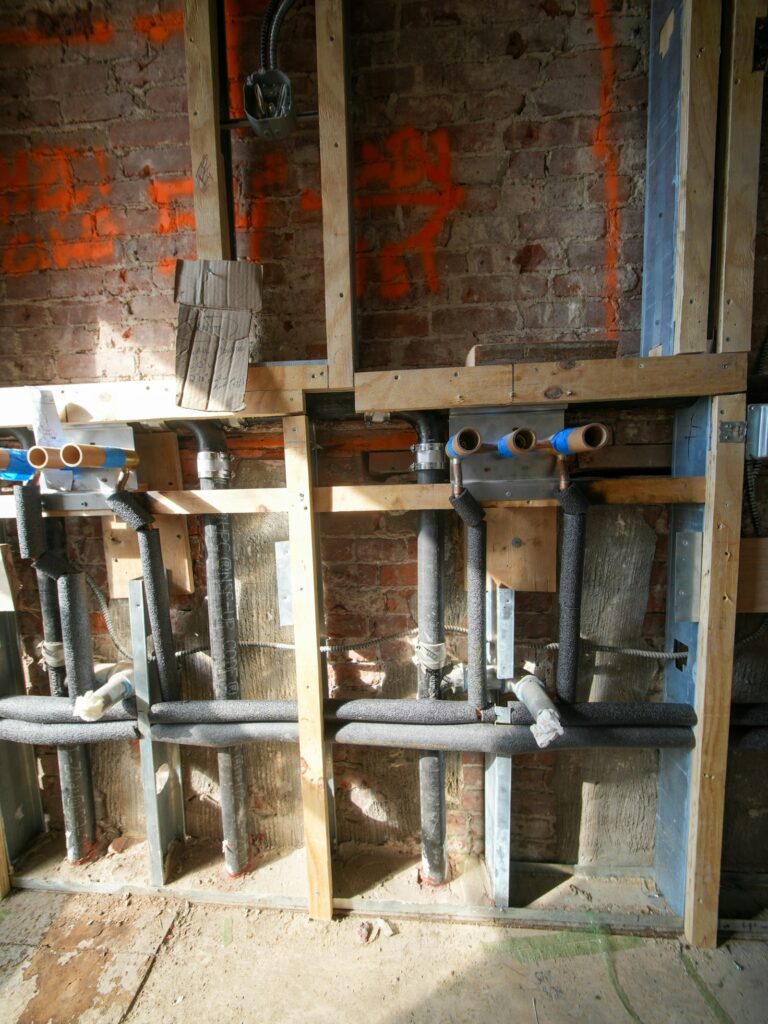
This service is for leaks with a visible or clearly located source: a supply line, a shut-off valve, a fixture connection, or a short section of pipe. If you can see water but cannot tell where it starts, a leak detection visit may be the better first step.
Most repairs involve replacing a washer, cartridge, valve, supply hose, or fitting. The plumber also checks nearby connections, because parts installed at the same time often wear out together.
While you wait: close the valve under the fixture or the main shut-off, catch drips with a bucket, and move rugs and boxes away from the water. Keep clear of outlets and cords near any wet floor.
What to look for
The top row shows where leaks commonly appear, the middle row covers why they start, and the bottom row explains what a repair involves.
Water under a kitchen or bathroom sink usually comes from a supply line, a trap connection, or the faucet base.
Puddles beside a washer, dishwasher, or water heater point to a worn hose or a loose connection.
An old shut-off valve can start leaking around its stem the first time it is turned in years.
Washers, gaskets, and O-rings dry out and crack, especially in fixtures that have been in place for a long time.
Rubber washing machine and sink supply hoses can bulge and split after years of constant pressure.
Compression and threaded fittings can work loose with vibration or corrode until water gets through.
The plumber shuts off the water to the area and confirms which part has failed.
A new valve, hose, washer, or fitting is installed in place of the worn one.
Water is turned back on and the connection is watched under pressure to confirm the leak has stopped.
Elmont homes
In many Elmont houses, the washing machine, utility sink, and water heater sit close together in the basement. That makes it a busy spot for hoses and fittings, and a leak there can reach stored belongings quickly.
The EPA’s Fix a Leak Week page says household leaks can waste more than 9,300 gallons of water a year in an average home. A slow drip is worth fixing early.
Washing machine hoses are one of the most common sources of sudden basement leaks. Braided replacement hoses and a quick look at the valves behind the washer can prevent trouble.
If a shut-off has not been turned in years, it may leak once you use it. Have a plumber replace stiff or weeping valves before you need them in an emergency.
Call right away if water keeps coming after you close the nearest valve, if a leak is soaking a ceiling or floor, or if it is near electrical equipment. A faucet that drips only when turned on can usually wait for a scheduled visit. The repair depends on which part failed, how easy it is to reach, and whether the pipe itself has been damaged.
Related services
When the water is coming from somewhere you cannot see, start with tracking down a hidden leak before any repair is planned. For other plumbing concerns around the house, see the kinds of problems we help homeowners solve in Elmont.
Homeowners in nearby Franklin Square and North Valley Stream can call us too, as can those in Floral Park and South Floral Park.
Reach us at (833) 603-1840 on weekdays from 9:00 a.m. to 9:00 p.m. Tell us which fixture or appliance is leaking and whether you have been able to shut the water off.
Questions
Close the small valve under or behind the fixture. If there is none, or it will not close, use the main shut-off. Then catch the water and dry the area.
Yes, though it usually does not need an urgent visit. A drip that continues for weeks can damage cabinets and flooring and adds to your water use.
Old valves have packing around the stem that dries out. Turning the handle can disturb it and let water seep through. The valve can usually be repaired or replaced.
Many homeowners replace them with braided hoses as a precaution. Check the hoses for bulges or cracks, and turn off the washer valves if you will be away for a long time.
It can. Water that seeps under flooring or into a subfloor may not show for a while. Drying the area quickly and fixing the source helps prevent swelling, staining, and mold.
For more background, see our article on why tape and clamps are only a stopgap, along with a separate piece about why shut-off valves start to drip.