- 833-603-1840
- info@jprplumbingnewton.com
- Mon - Fri: 9:00 - 21:00

Elmont, Nassau County
Some leaks announce themselves with a puddle. Others hide inside walls, under floors, or along a foundation until a stain, a musty smell, or a water bill gives them away. JPR Plumbing helps Elmont homeowners trace hidden leaks to their source so the right repair can be made without unnecessary damage.
Leak detection is the work of finding where water is escaping when the source is not obvious. It starts with simple checks, such as reading the water meter with every fixture off, and narrows down from there by looking at where moisture appears and which lines run nearby.
Finding the leak first means walls and floors are opened only where they need to be. Once the source is confirmed, it can be repaired directly.
Leaks on the drain side, such as a cracked waste pipe, usually show only when water is being used, while supply-side leaks tend to run all the time. That difference is one of the first clues a plumber looks at.
How a plumber can help
A plumber usually works from the simplest checks toward the most specific:
If the water meter moves when nothing in the house is running, water is going somewhere.
Discolored ceilings, bubbling paint, or damp drywall often sit near a leaking pipe.
A persistent damp odor in a basement or closet can come from moisture you cannot see.
Older supply pipes can develop tiny leaks, especially at joints and bends.
Fittings behind walls and under floors can loosen or corrode without being noticed.
Water from a supply line under a slab or a basement floor can show up as damp spots or a warm area.
Turn off every faucet and appliance, then look at the water meter. If it is still moving, close the main shut-off to stop the loss. Keep clear of light fixtures or outlets near damp ceilings and walls, and call (833) 603-1840.
Elmont considerations
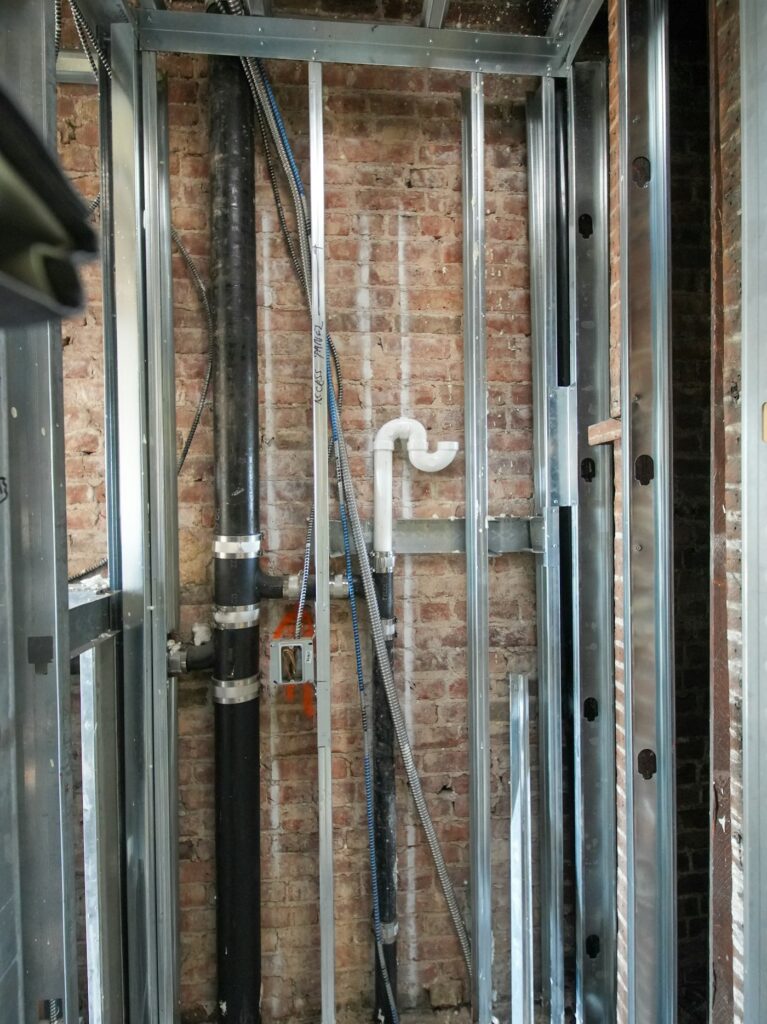
Many Elmont homes have finished or partly finished basements, where pipes run behind paneling, under stairs, and above drop ceilings. Moisture can travel along pipes and framing before it shows up, so the stain is not always directly beside the leak. A closet that shares a wall with a bathroom is a common place for this to show up.
Mold risk. The EPA’s guide to mold and moisture in the home says mold usually will not grow if wet materials are dried within 24 to 48 hours. A hidden leak keeps them wet much longer.
Structural damage. Water that soaks framing, subfloors, or drywall over weeks can lead to repairs well beyond the pipe itself.
Water use. Even a small, steady leak adds up on your water bill and wastes a resource Long Island depends on.
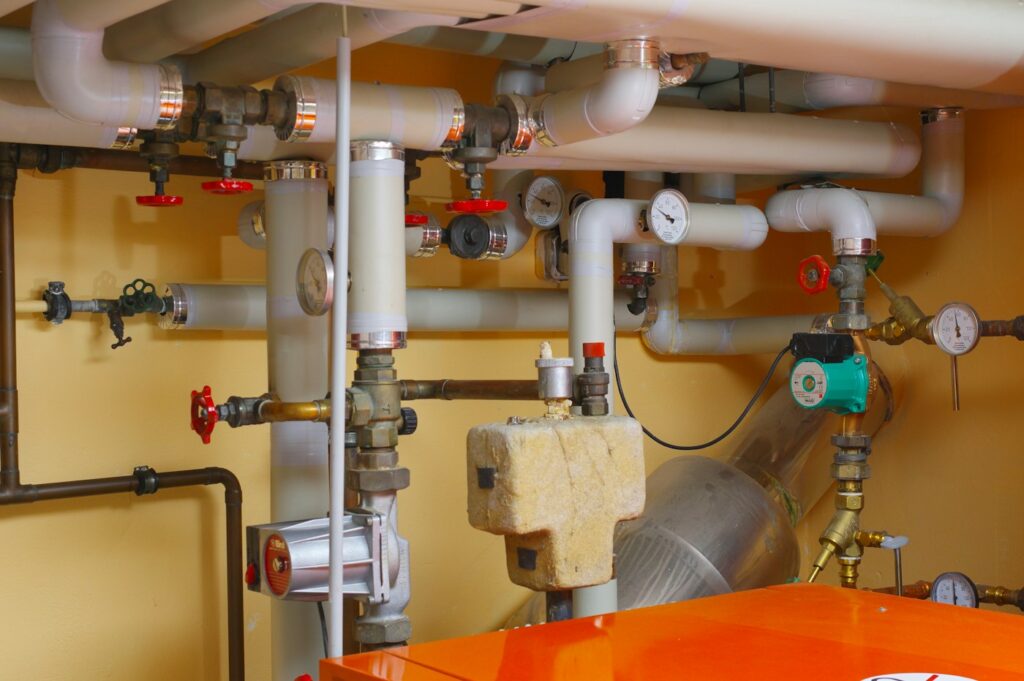
The work depends on how many lines could be involved, how the area is finished, and whether the leak is on the supply side or the drain side. A leak that only shows when a certain fixture is used is often easier to trace than one that runs constantly. Accessible pipes are quicker to check than those behind finished walls.
Once the source is found, repairing the leaking line or fitting is the next step. If the damage looks like it came from something bigger, such as a pipe that froze and split, the overview of the problems we handle for local homeowners can help you decide where to start.
Homes in Floral Park, South Floral Park, Franklin Square, and North Valley Stream are covered too.
Questions
Turn off all water use and watch the meter for a few minutes. Many meters have a small dial or indicator that turns even with very low flow.
Often the location can be narrowed down from outside the wall first, which limits how much needs to be opened. Some access may still be needed for the repair.
Water can run along pipes, joists, or framing before it soaks through, so the stain may appear some distance from the actual leak.
Not always. Groundwater and condensation can also cause dampness. Checking the meter and nearby pipes helps tell the difference.
If the meter shows water moving with everything off, closing the main valve limits damage until the leak is found.
If you like to understand the problem first, start with our notes on finding leaks without tearing out walls. Our guide to the food coloring test for toilets may help too.
Reach us at (833) 603-1840 Monday through Friday, 9:00 a.m. to 9:00 p.m., or fill out a request online. Describe where moisture has appeared and whether your meter moves with everything off.