- 833-603-1840
- info@jprplumbingnewton.com
- Mon - Fri: 9:00 - 21:00

Brooklyn, NY
A toilet that overflows, won’t flush, or leaks around the base can throw off the whole household, especially in a home with one bathroom. JPR Plumbing helps Brooklyn homeowners repair urgent toilet problems and stop wasted water. Call (833) 603-1840 to describe what your toilet is doing.
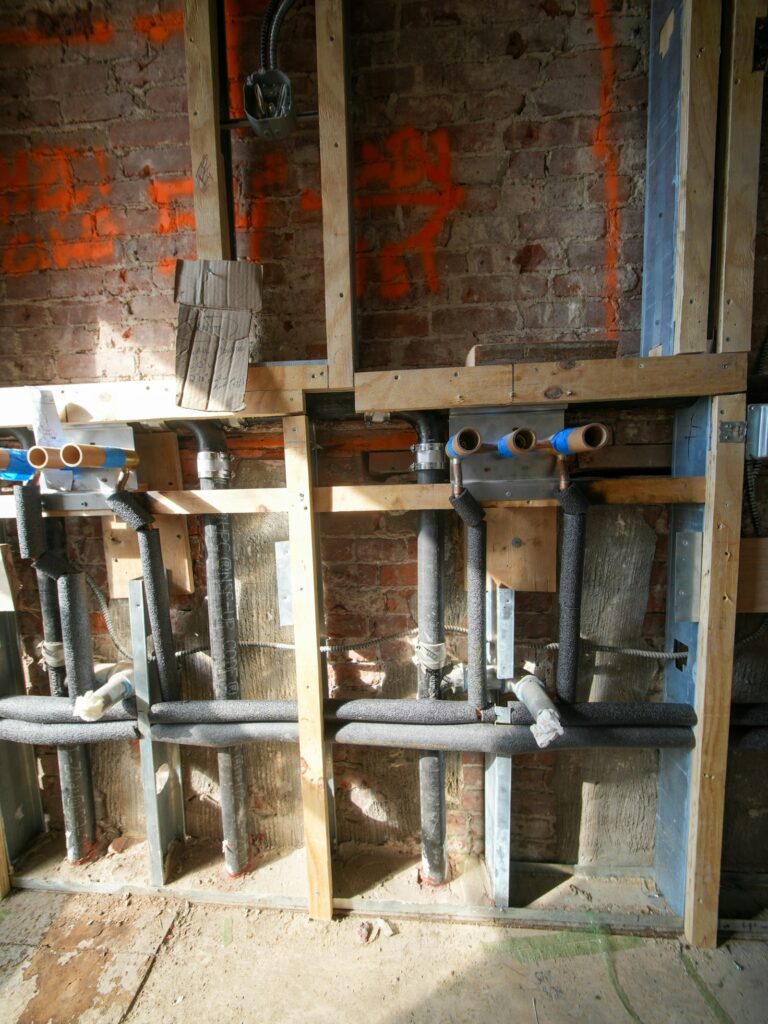
Toilets have a few moving parts that do a lot of work every day. When the fill valve, flapper, flush valve, or wax seal fails, the result can be anything from a constantly running tank to water spreading across the bathroom floor.
Some toilet problems are urgent because they cause water damage or leave a household without a working bathroom. Others, like a silent leak from the tank, waste water quietly and raise your bill over time. Either way, finding the failing part is the first step. Learn about our full range of plumbing services in New York on our homepage.
What to know
Below are the toilet problems we see most often, what typically causes them, and how a plumber can help.
A bowl that rises toward the rim after flushing usually means a clog in the toilet or the drain line below it.
Water seeping from under the toilet can point to a failed wax seal, loose bolts, or a cracked base.
A tank that keeps refilling or hissing often has a worn flapper or a fill valve that won’t shut off.
These parts wear out with age, and in-tank cleaners can speed up the wear on rubber seals.
Too much paper, wipes, or objects can lodge in the toilet’s trap or in the drain beyond it.
A toilet that moves when you sit can break the seal at the floor and let water leak under it.
A plumber can clear clogs in the toilet or the line and check whether other fixtures are affected.
Many running and leaking toilets are fixed by replacing the flapper, fill valve, seal, or supply line.
If the seal has failed, the toilet may need to be lifted, the seal replaced, and the toilet reset securely.
Brooklyn considerations
Brooklyn’s mix of older row houses and busy multi-family buildings affects how toilet problems show up and spread.
If a toilet is overflowing, turn the shut-off valve behind it clockwise to stop the water before trying anything else.
The NYC DEP toilet leak detection guide notes that leaking toilets are a common cause of high water bills and recommends testing each toilet once a year with a few drops of food coloring in the tank.
In older homes, the floor and the flange under the toilet may have shifted or deteriorated over the years, which can make it harder for the toilet to stay sealed.
When a toilet leaks in an upper-floor bathroom, the first sign is often a stain on the ceiling below.
Most toilet repairs are fairly contained, but the cost still depends on the problem. Factors include:
A plumber can tell you whether a repair or a replacement makes more sense after checking the toilet.
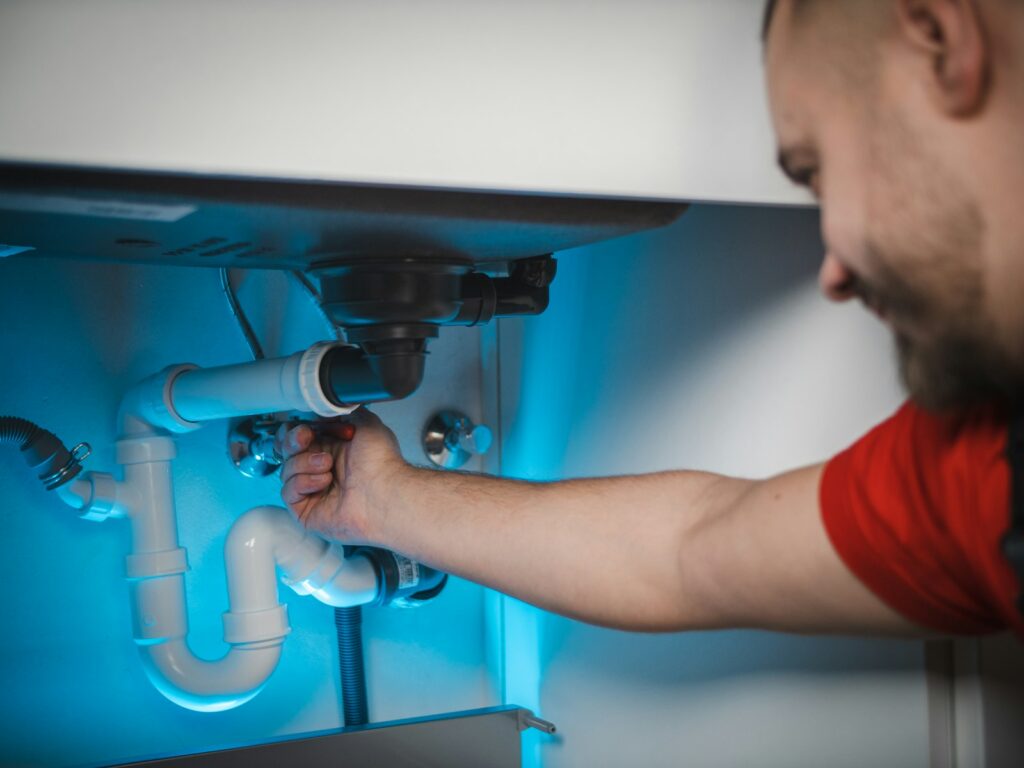
Related services
If the problem goes beyond the toilet, these services may help. You can also view all of our plumbing services in Brooklyn. Related services include:
We serve homeowners across Brooklyn, including Park Slope, Bay Ridge, Bensonhurst, Sunset Park, Williamsburg, Greenpoint, Bushwick, Bedford-Stuyvesant, Crown Heights, Flatbush, Sheepshead Bay, and Canarsie. Contact us to confirm availability at your address.
Call (833) 603-1840, Monday to Friday, 9:00 a.m. to 9:00 p.m., or request service online. Tell us what the toilet is doing and whether water has reached the floor.
Questions
Turn the small valve on the wall or floor behind the toilet clockwise until the water stops. If it won’t turn, close your home’s main water valve.
Put a few drops of food coloring in the tank and wait 10 to 15 minutes without flushing. If color shows up in the bowl, the tank is leaking.
A worn flapper or a fill valve that doesn’t shut off properly is the most common cause. Both are usually repairable.
Often the wax seal under the toilet has failed or the toilet has come loose. The toilet usually needs to be lifted and reset with a new seal.
Yes. According to NYC DEP, an open fill valve can waste three to five gallons per minute, which adds up quickly.
Many toilets can be repaired with new parts. A plumber may suggest replacement if the toilet is cracked or keeps having problems.
Helpful plumbing articles: If this keeps happening, read why a toilet keeps overflowing. For flushing trouble, here is what to check before calling a plumber.
Have a different question? Contact our team.