- 833-603-1840
- info@jprplumbingnewton.com
- Mon - Fri: 9:00 - 21:00

Fresh Meadows, Queens
A burst pipe, a leak you can’t stop, or sewage rising in a basement drain needs fast attention. JPR Plumbing helps Fresh Meadows homeowners and co-op and condo owners with urgent plumbing problems. Call (833) 603-1840.
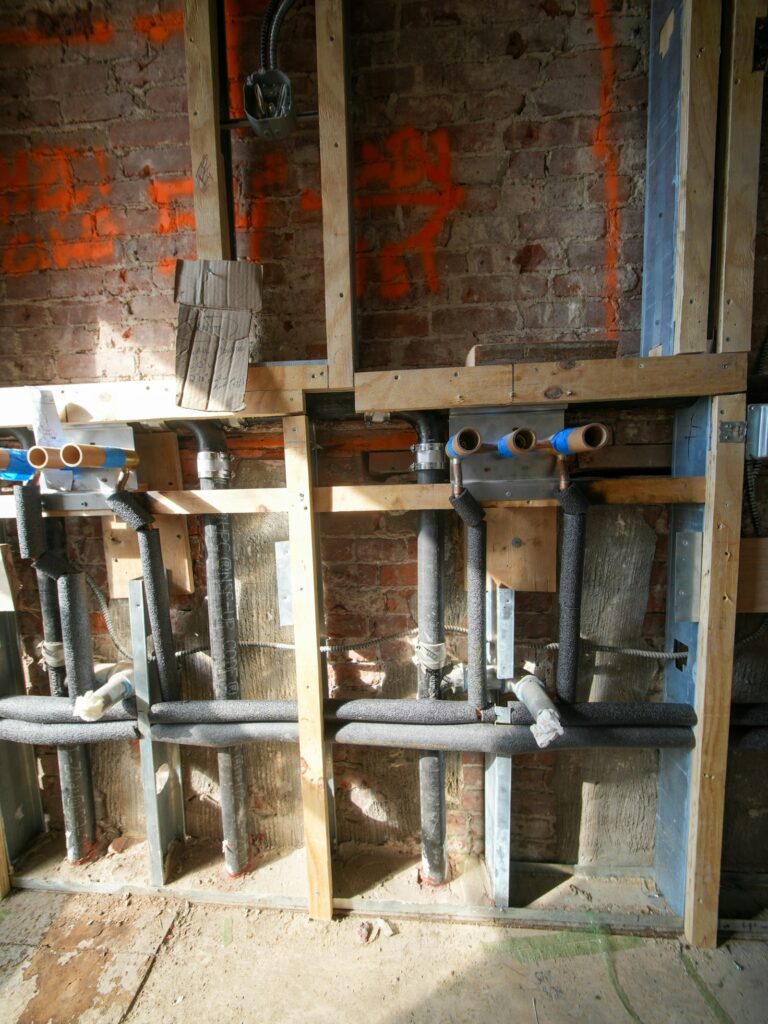
A plumbing emergency is a problem that can quickly cause damage, create a health risk, or leave you without working water. Burst pipes, leaks you can’t stop, sewage backing up, and overflowing fixtures are the most common examples.
Much of Fresh Meadows was built in the mid-20th century, including low-rise garden apartments and the attached and detached houses on surrounding streets. Plumbing in homes of this age often has original valves, water heaters, and drain lines that are reaching the end of their useful life, and these parts can fail with little warning. In garden apartment co-ops, shared lines may serve several units, so a single failure can affect neighbors too. Knowing where your shutoff valve is helps you act fast. You can learn about our full range of New York plumbing services on our homepage.
What to know
These are urgent problems Fresh Meadows residents often face, what usually causes them, and what a plumber checks first.
A cracked pipe or failed fitting can release a lot of water fast. Shutting off the water comes first.
Sewage rising from a floor drain usually means a blocked or overloaded sewer line.
In garden apartments, a leak can travel into a neighboring unit through shared walls or floors.
Original valves from the mid-1900s can stick or fail when they are finally needed.
In co-ops, shared supply and drain lines serve several units, so one problem can affect many.
Older water heaters can start leaking from the tank without much warning.
A plumber traces where the water is coming from and checks nearby pipes.
The first goal is to stop the water and make the home safe, then plan the full repair.
The plumber explains what failed, what the fix involves, and whether a permit is needed.
Fresh Meadows considerations
Home age and building type shape how emergencies are handled in Fresh Meadows.
If water is near outlets or electrical equipment, stay out of the water and keep everyone away until it is safe.
The NYC Department of Buildings’ plumbing permits page says work that alters, moves, or removes piping must be supervised by a Licensed Master Plumber, who gets the permits. Simple fixture swaps that don’t change shutoff valves or traps do not need a permit.
Before repairs begin, check with your board or managing agent about who is responsible for each pipe. Building staff may also need to shut off a shared line.
In houses, find and test the main shutoff valve in the basement before an emergency, since old valves can stick. If a valve won’t turn, have it replaced before you need it.
The cost of an emergency repair depends on what failed and how much work it takes. Common factors include:
A plumber can explain the problem and your options before the repair begins. In mid-century homes, the plumber can also point out other original parts that may be close to failing. Photos of any damage can help if you contact your insurer.
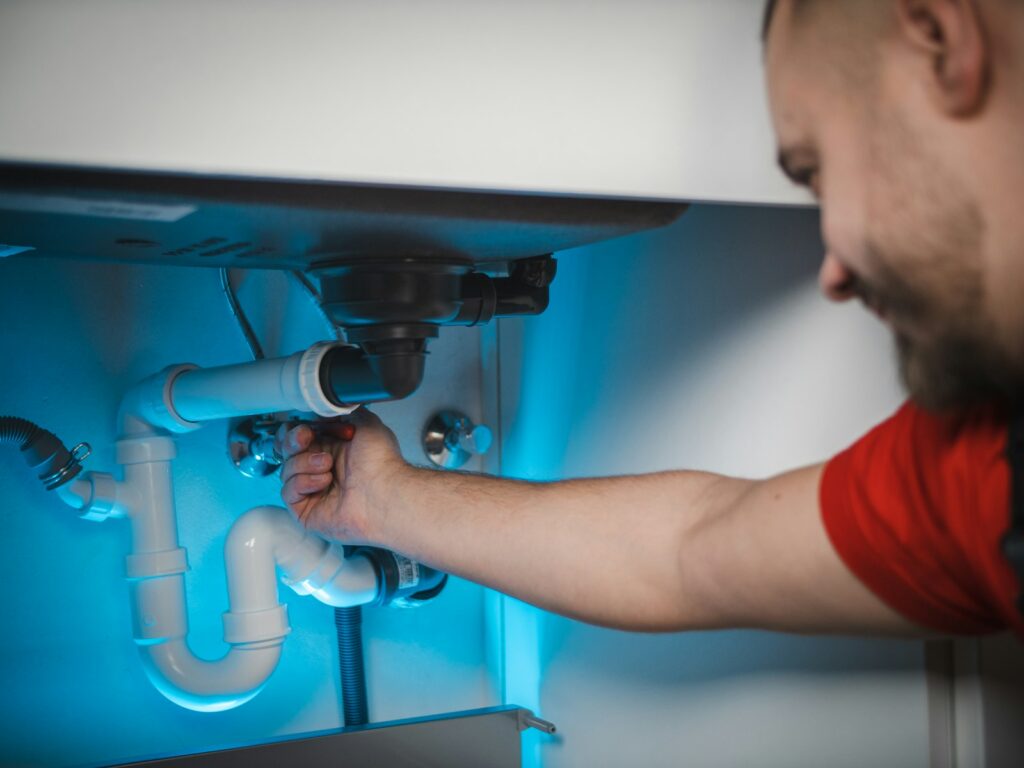
Related services
Many emergencies lead to a specific repair. You can also see all of our plumbing services in Fresh Meadows. Related services include:
We serve homeowners and co-op owners across Fresh Meadows, from the garden apartments near 188th Street to the houses around Cunningham and Kissena parks. Contact us to confirm availability at your address.
Call (833) 603-1840, Monday to Friday, 9:00 a.m. to 9:00 p.m., or request service online. Tell us what is happening and what type of home you live in.
Questions
Shut off the water if you safely can, keep away from water near electricity, and call a plumber.
It depends on your co-op’s rules. Pipes inside your unit are often your job; shared lines usually belong to the building.
DOB says work that alters, moves, or removes piping needs a Licensed Master Plumber and a permit. Simple fixture swaps usually don’t.
Valves that sit unused for decades can corrode, stick, or leak when finally turned.
Stop using water, keep people away, and have the sewer line checked.
Yes, if water is spreading. Keep away from electrical equipment and call for help.
Usually not. A leak you can’t stop, or one reaching another unit, is.
Helpful plumbing articles: If you want to learn more, read about situations that need an emergency plumber and a simple plan for plumbing emergencies.
Have a different question? Contact our team.