- 833-603-1840
- info@jprplumbingnewton.com
- Mon - Fri: 9:00 - 21:00

Atlantic Beach, NY
Whether it is a drip behind the dishwasher, a valve weeping under a vanity, or a fitting leaking near the water heater, an active leak is easier and cheaper to deal with today than next month. JPR Plumbing repairs visible leaks in Atlantic Beach homes and checks the connections around them.
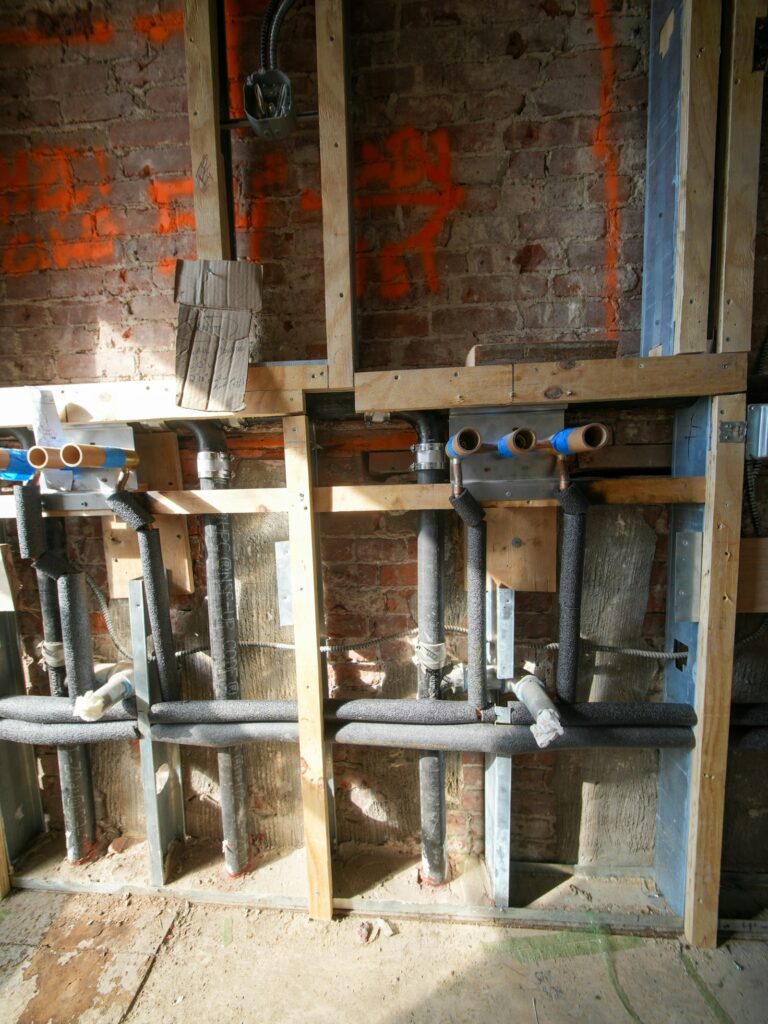
Leak repair is for water escaping from a spot you can see or clearly pin down: a valve, a supply hose, a fixture connection, or a short run of exposed pipe. If moisture is showing but the source is hidden, finding it comes first.
Most leaks trace back to a single worn part, such as a washer, cartridge, hose, or valve stem. Parts installed at the same time often wear out together, so a good repair includes a look at the neighboring connections and a word about any that are close to failing.
In homes that are closed up for stretches of time, a slow leak can run unnoticed for days. Shutting off the main before leaving for an extended trip is a simple way to limit that risk.
If a leak has been running for a while, the plumber also looks for a soft subfloor, swollen cabinet bases, or corrosion on nearby pipe, so nothing is left to become the next repair.
While you wait: close the valve feeding the fixture, or the main if there is no local valve, and set a bucket under the drip. Move rugs and boxes away from the water and stay clear of any outlets nearby.
Common leak spots
Read across the rows for the usual places leaks appear, why they start, and how a plumber repairs them.
A wet cabinet floor usually points to a supply hose, trap, or faucet connection.
Supply and drain lines under the appliance can drip for weeks out of sight.
Fittings and valves on the heater’s supply lines can seep at the joints.
Washers and O-rings stiffen with age and stop sealing properly.
Supply hoses under constant pressure can bulge, crack, and split.
Threaded and compression fittings loosen or corrode until water escapes.
Water to the area is turned off and the faulty part is identified.
The worn valve, hose, washer, or fitting is replaced.
With the supply back on, the repair is checked for any seepage.
Atlantic Beach homes
Whether a home on the island is lived in year-round or used more in certain seasons, leaks that start while nobody is home can do a lot of damage before they are found. A quick walk through the kitchen, bathrooms, and laundry area after returning home catches most of them. Fixtures that are rarely used, such as a guest bathroom or an outdoor shower, are worth running for a minute now and then so a drip is noticed early.
The EPA’s WaterSense statistics put the water lost to leaks in an average family’s home at about 9,400 gallons a year.
Shutting the main valve, or at least the washer and dishwasher valves, before a long trip limits the damage a failed hose can do.
Valves that stick or seep when turned can be replaced on a routine visit, so they work when you need them most.
Get help quickly when closing the closest valve does not stop the water, when finishes below are getting soaked, or when the drip is near wiring. A faucet that drips only while running can usually wait for a scheduled visit. The repair depends on which part failed, how hard it is to reach, and whether the surrounding pipe or finishes were damaged.
Related services
If you can see moisture but not where it is coming from, finding the source of a hidden leak is the better first step. For other plumbing needs, see the other household repairs we take care of in Atlantic Beach.
Homes in Long Beach, Lido Beach, Lawrence, Inwood, and Atlantic Beach Estates are covered too.
Reach us at (833) 603-1840, Monday to Friday from 9:00 a.m. to 9:00 p.m., or request a visit online. Say which fixture or appliance is dripping and whether you have closed its valve.
Questions
Turn off the valve that supplies the fixture. If there is none, or it will not move, close the main shut-off.
Turning water back on after a period of disuse can disturb old seals, and a hose that weakened while the house was empty may fail when pressure returns.
It is rarely an emergency, but it can swell cabinet floors and stain finishes over time, so it is worth fixing soon.
If they are cracked, bulging, or more than a few years old, replacing them with braided hoses is a sensible precaution.
Yes. Mention every stiff or dripping valve you know of when you call.
Our homeowner articles cover water escaping around a shower door, as well as drips at the base of a kitchen faucet.