- 833-603-1840
- info@jprplumbingnewton.com
- Mon - Fri: 9:00 - 21:00

Atlantic Beach, Nassau County
When a water bill climbs for no obvious reason, or a musty smell lingers in a closet, the cause is often a leak tucked inside a wall or under a floor. JPR Plumbing helps Atlantic Beach homeowners trace hidden leaks to their source so repairs happen in the right spot, with as little opening as possible.
The search starts at the water meter. With every tap, appliance, and outdoor line off, a meter that keeps moving confirms that water is escaping somewhere between the meter and the fixtures.
From there, a plumber narrows the area. Indoor and outdoor lines are checked separately, then individual fixtures and branches, while the places where moisture shows up point toward the pipes that serve them.
It helps to know which kind of leak you are dealing with. Supply lines leak constantly because they are always under pressure. Drain lines only leak when water is running through them, so a cracked waste pipe may leave moisture only after a shower or a load of laundry.
Finding the source before opening anything protects the house. A careful search keeps the repair small and puts the opening exactly where the pipe needs work.
How a plumber can help
A plumber typically works from broad checks toward a specific spot, so nothing is opened by guesswork:
Movement with nothing running confirms water is leaving the system.
Persistent damp odor in a closet or lower level often means hidden moisture.
Discoloration and blistered paint usually sit near a leaking pipe.
Connections that have aged can loosen or corrode out of sight.
Lines to outdoor showers and hose bibs can leak into the ground or a crawl space.
Drain pipes may leak only during use, which hides the problem.
Turn off everything that uses water and watch the meter. If it keeps moving, close the main valve to slow the damage. Keep away from light fixtures and outlets near damp ceilings or walls, If a ceiling is sagging, keep everyone out of the room below. Then call (833) 603-1840.
Atlantic Beach considerations
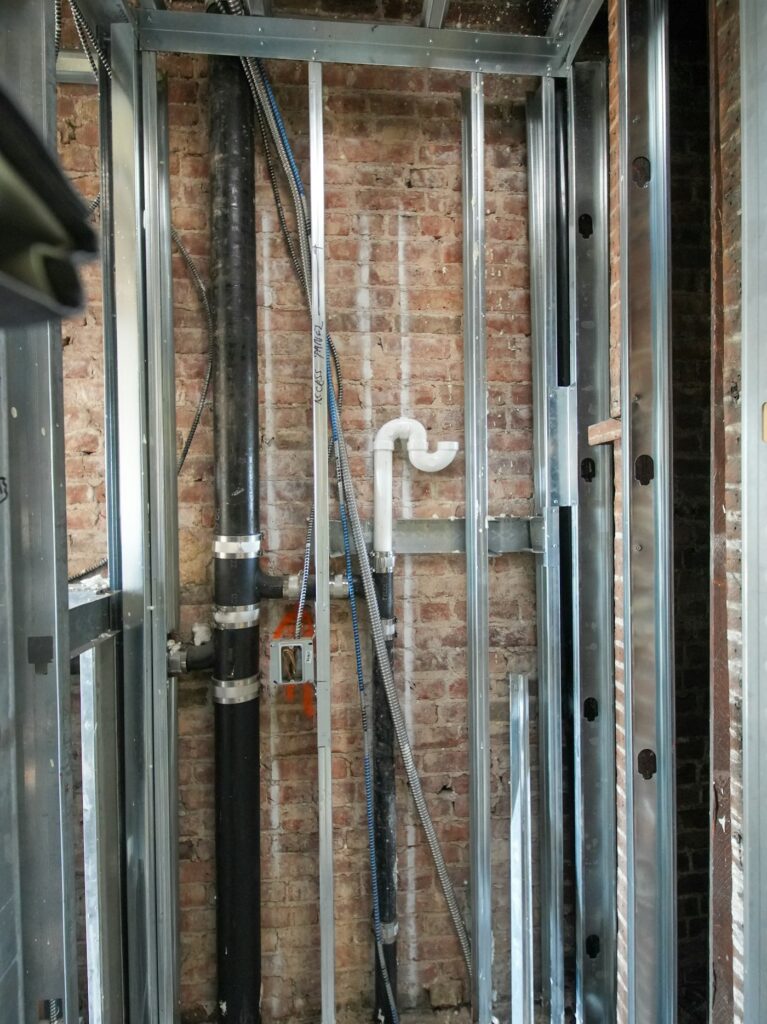
A house on the island may have lines running to outdoor showers or spigots, through crawl spaces, and behind finished walls. Separating indoor plumbing from outdoor lines is usually the quickest first step, since an outdoor leak may show up only on the water bill. Inside, the rooms above a crawl space and walls shared with a bathroom are good places to start looking, because water from those lines can travel along framing before it shows.
Moisture and mold. The EPA’s guide to mold and moisture notes that mold usually will not grow if wet materials are dried within 24 to 48 hours
Hidden damage. Water soaking framing or subfloors for weeks can lead to repairs far larger than the pipe itself
Water costs. Even a slow, steady leak adds up on the bill over a season, and Nassau County’s drinking water all comes from groundwater beneath Long Island
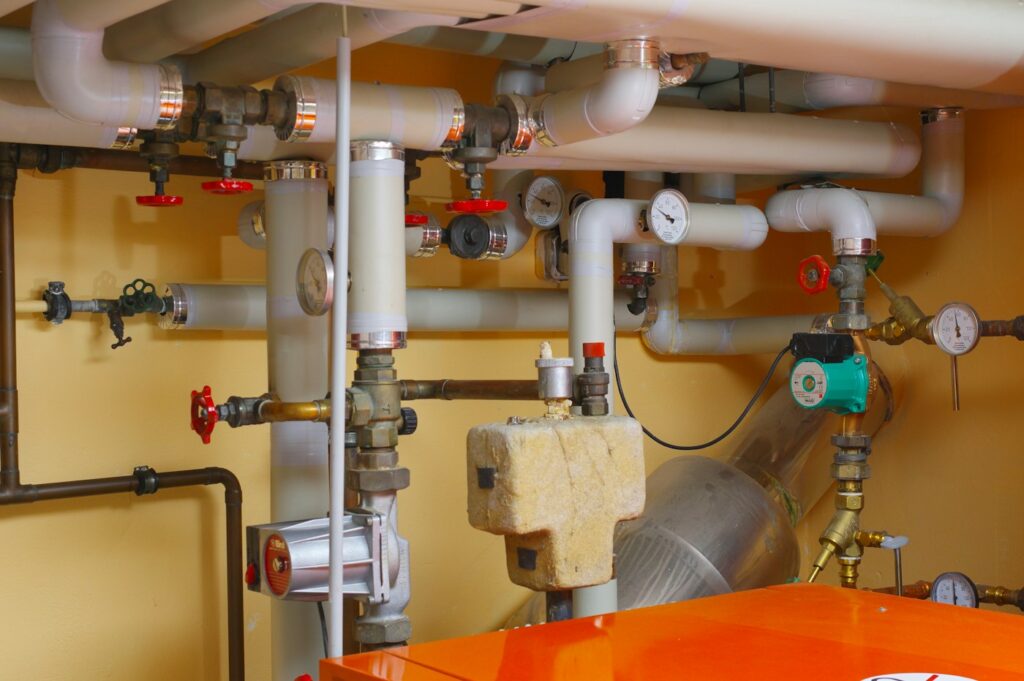
The search depends on how many lines could be involved, what covers them, and whether the leak is indoors or outdoors, on the supply side or the drain side. Pipes in an open crawl space are quicker to check than those behind tile or drywall. You will hear what turned up before any repair is planned.
Once the leak is pinpointed, repairing the line or fitting that failed is the next step. For other concerns around the house, see the kinds of plumbing problems we solve on the island.
Service also covers Atlantic Beach Estates, Lido Beach, Long Beach, Inwood, and Lawrence.
Questions
Turn off all water use, including outdoor lines, and watch the meter for a few minutes. Any movement means water is escaping.
Yes. Lines to outdoor showers, spigots, or irrigation can leak without any sign indoors. Shutting their valve and rechecking the meter helps tell. If the meter stops once those lines are off, the leak is outdoors.
Only after the location has been narrowed down, and only as much as the repair requires.
Yes. A tank leaking into the bowl wastes water quietly. A dye tablet or some food coloring in the tank reveals it within minutes.
Not always. Groundwater and condensation also cause dampness, and a meter check helps separate them.
To learn more before booking, read about hidden leaks behind kitchen cabinets or take a look at finding a leak in the crawl space.
Phone (833) 603-1840 on weekdays from 9:00 a.m. to 9:00 p.m., or send a request online. Share where the dampness appeared and whether the meter moved during your test.