- 833-603-1840
- info@jprplumbingnewton.com
- Mon - Fri: 9:00 - 21:00

Howard Beach, Queens
Sewage rising from a floor drain, shower, or toilet on the lowest level of your home is a health risk that needs fast attention. JPR Plumbing helps Howard Beach homeowners find out why the sewer line is backing up and clear the blockage. Call (833) 603-1840.
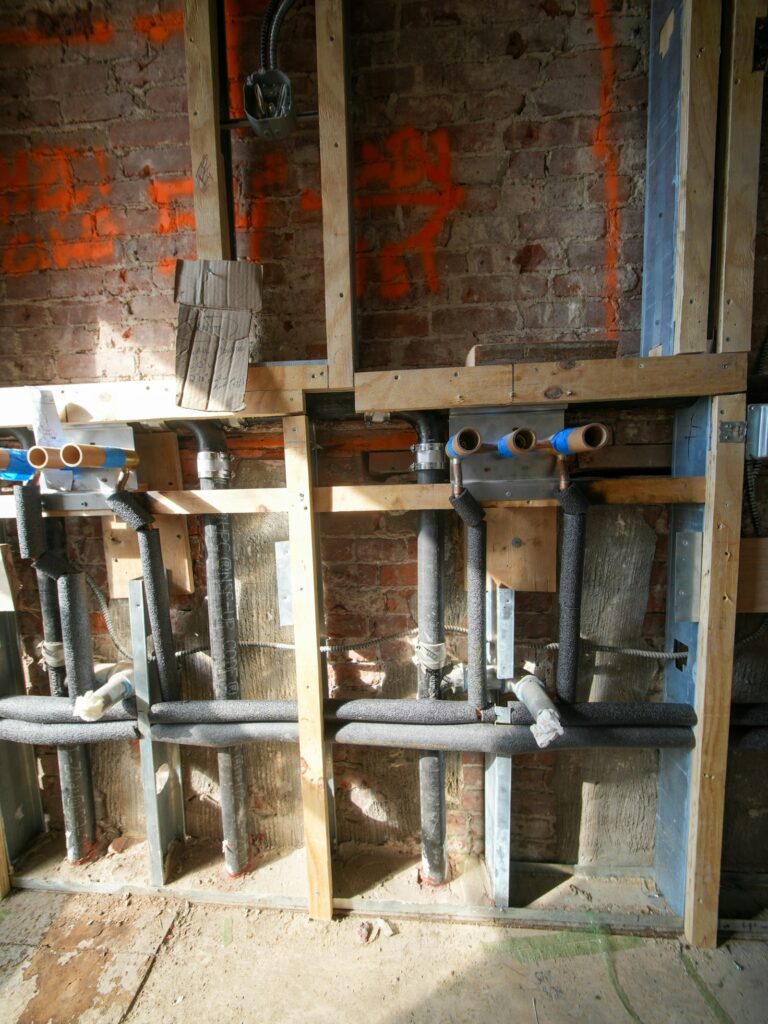
A sewer backup happens when wastewater can’t leave your home and comes back up through the lowest drains. In Howard Beach, that is often a floor drain, shower, or toilet in a basement, garage, or ground-level space.
Your house is connected to the city sewer under the street by a pipe called the sewer service line. A blockage in that line, from grease, wipes, roots, or a damaged pipe, can cause a backup. In a waterfront neighborhood, it also helps to know whether a backup happens during storms or in dry weather, since that points toward different causes. Many Howard Beach homes have rebuilt lower levels with new finishes, so a backup can be costly as well as unpleasant. You can see our full list of JPR Plumbing services on our homepage.
What to know
These are the warning signs of a sewer backup, the most common causes, and how a plumber works to clear the line and restore flow. Acting quickly helps limit damage.
Dirty water rising from a lower-level floor drain, shower, or toilet is the most common sign.
When sinks, tubs, and toilets slow down together, the main line may be partly blocked.
A strong sewer smell near lower-level drains can mean wastewater isn’t flowing away.
Grease poured down sinks and wipes flushed down toilets are leading causes of blocked lines.
Roots can enter cracks in older sewer lines, and damaged pipe can trap debris.
During very heavy rain, sewers can be overloaded and push water back toward homes.
A plumber checks the cleanout and drains to find where the line is blocked.
Professional tools are used to remove the blockage and restore flow.
If the pipe is damaged, the plumber explains what repair may be needed.
Howard Beach considerations
Rebuilt lower levels and storm conditions make sewer backups a real concern in Howard Beach.
Stop using water in the house during a sewer backup, keep people and pets away, and never wade through sewage near electrical equipment.
NYC DEP’s sewer backup page says property owners are responsible for maintaining and repairing their sewer service lines, while the city maintains the sewer main in the street. DEP asks residents to report raw sewage backups to 311 right away.
A backup during a storm may be tied to the city sewer. A backup in dry weather more often points to a blockage in your own line.
DEP advises thoroughly cleaning and disinfecting areas touched by sewage, since it can carry germs.
The cost of clearing a sewer backup depends on what is blocking the line and the condition of the pipe. Common factors include:
A plumber can explain what caused the backup and whether the pipe needs repair. If DEP determines the problem is in your service line, a plumber can explain the repair and any permit it requires.
Related services
Sewer problems often overlap with other water issues. You can also see all of our plumbing services in Howard Beach. Related services include:
We serve homeowners across Howard Beach, from Lindenwood to the canal blocks along Shellbank and Hawtree Basins and Hamilton Beach. Contact us to confirm availability at your address.
Call (833) 603-1840, Monday to Friday, 9:00 a.m. to 9:00 p.m., or request service online. Tell us which drains are backing up and whether it is raining.
Questions
Stop using water, keep people away from the sewage, and call a plumber. DEP also asks residents to report raw sewage backups to 311.
DEP says property owners maintain and repair their sewer service lines. The city maintains the sewer main in the street.
DEP says blocked pipes from grease, wipes, and other items are the most common cause.
Very heavy rain can overload sewers and push water back toward homes.
Dry-weather backups often point to a blockage in your own sewer line.
DEP advises cleaning and disinfecting thoroughly, since sewage can carry germs.
Yes. A plumber can explain the cause, the repair, and how to lower the chance of a repeat.
Have a different question? Contact our team.