- 833-603-1840
- info@jprplumbingnewton.com
- Mon - Fri: 9:00 - 21:00

Great Neck, Nassau County
Wastewater rising through a lower-level drain is a clear sign that the sewer line leaving the house is blocked. JPR Plumbing helps Great Neck homeowners clear sewer backups, find out what caused them, and understand where their own line ends and the public sewer begins.
All of the drains in a house feed into one building sewer that carries wastewater to the public line in the street. When that pipe is blocked, water from every fixture backs up and appears at the lowest openings first, such as a basement floor drain, a lower-level shower, or a ground-floor toilet. That makes the lowest drain in the house the best early warning that something is wrong further down the line.
Clearing a backup means opening the line, usually through a cleanout, and removing the blockage. If backups keep returning, a camera inspection can show whether roots, a sag, or a damaged section is the real cause, so the next step is based on what is actually inside the pipe.
Because a house with several bathrooms sends a lot of water into the line at once, a partial blockage can turn into a full backup quickly during busy times of day.
How a plumber can help
Once the house has stopped sending water down the drains, a plumber typically will:
Wastewater rising through a floor drain or lower shower is the most common first sign.
When sinks, tubs, and toilets slow down together, the shared line is the likely cause.
Gurgling toilets and a sewer smell can come before a full backup.
Fats and wipes collect in the building sewer and gradually close it off.
Tree roots can enter older pipe through joints and trap debris.
A cracked or settled section can catch debris and block the flow.
Stop using every sink, shower, toilet, and appliance that drains. Keep children and pets away from the area, avoid touching the water, and stay clear of outlets and appliances near it. Then call (833) 603-1840.
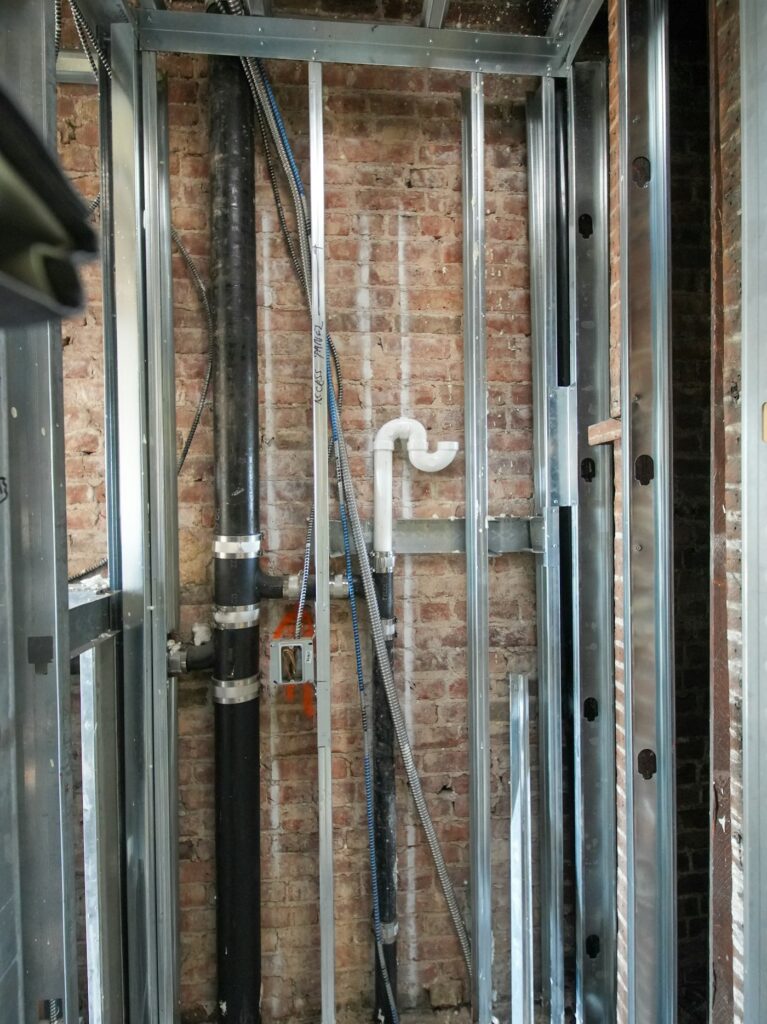
Great Neck considerations
Nassau County’s summary of sewer districts by community lists the Great Neck Water Pollution Control District as the local sewer authority for Great Neck. If you think the problem is in the public sewer rather than your own line, check which district serves your street and contact it as well. The peninsula also includes several separate villages, so permit questions for any follow-up repair go to the village where your home is located.
Your side. The building sewer from the house to the public line generally belongs to the property, and blockages there are cleared by a plumber
The public side. If several neighbors have backups at the same time, the problem may be in the public sewer and should be reported to the sewer district
The cleanout. A cleanout near the foundation or in the basement floor gives access to the line, so keep it clear and easy to find
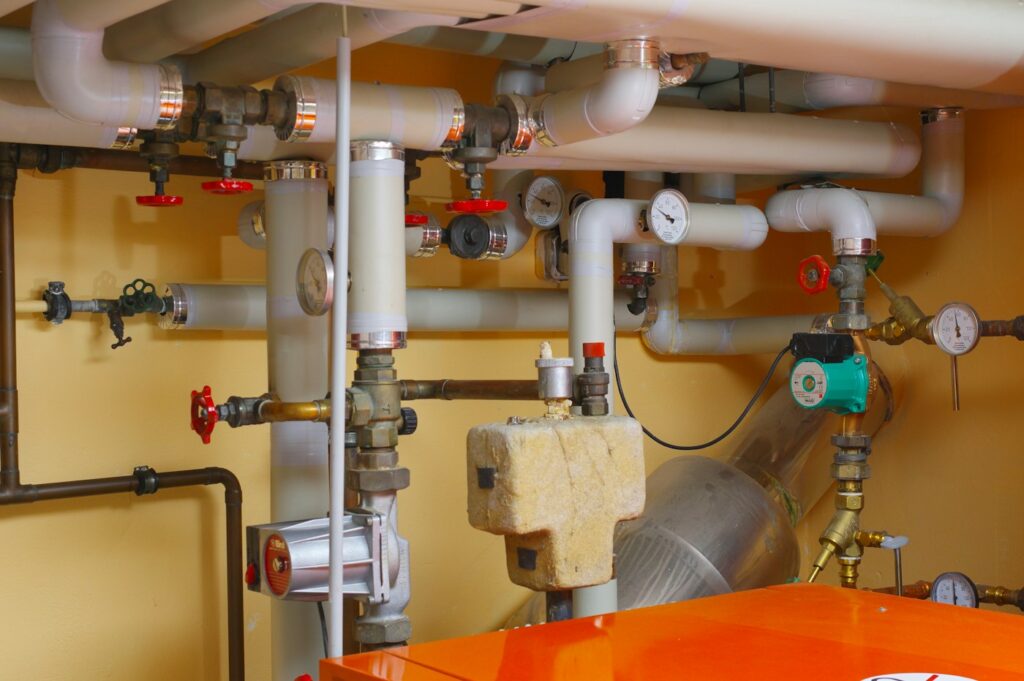
The scope of the work comes down to the blockage location, its cause, and how accessible the cleanout is. Some blockages, such as grease or paper, clear in a single visit. Roots, a sagging section, or a crack usually need more work, and an inspection helps show which applies. The options are explained before any repair starts. If the backup reached a finished lower level, drying it promptly and removing soaked materials helps limit further problems.
If only one sink or shower is affected, the clog may be close to that fixture, and opening a single slow or blocked drain may be all it takes. For other plumbing work around the house, see the household repairs we handle across the peninsula.
We also work with homeowners in Russell Gardens, Thomaston, Great Neck Plaza, Lake Success, Kensington, Great Neck Estates, Saddle Rock, and Kings Point.
Questions
Raw wastewater can contain bacteria and other harmful material. Keep skin contact to a minimum, keep children and pets out of the area, and wear gloves and boots if belongings must be moved.
The lowest opening in the plumbing system is where water backing up from the sewer line appears first.
No. Any water you use adds to the backup until the line is cleared.
For Great Neck, the county summary lists the Great Neck Water Pollution Control District. Check which district serves your street.
Keep grease, wipes, and paper towels out of the drains, and consider a camera inspection if backups keep happening.
Call (833) 603-1840 weekdays from 9:00 a.m. to 9:00 p.m. Say where the wastewater is showing up and whether neighbors seem to be having the same problem.