- 833-603-1840
- info@jprplumbingnewton.com
- Mon - Fri: 9:00 - 21:00

Brooklyn, NY
Sewage coming up through a basement floor drain, toilet, or tub is unpleasant and can be a health concern. JPR Plumbing helps Brooklyn homeowners find out why the building sewer line is backing up and what it will take to fix it. Call (833) 603-1840 if wastewater is entering your home.
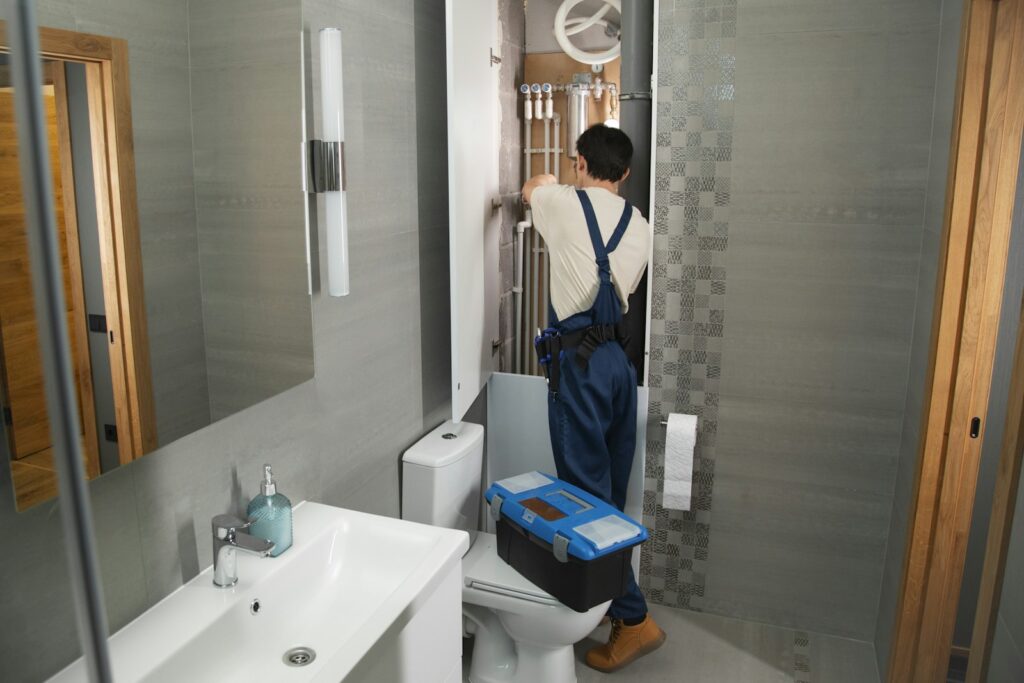
Every drain in a house flows into one building sewer line that carries wastewater out to the City sewer in the street. When that line is blocked or damaged, wastewater has nowhere to go and rises through the lowest openings in the home, often a basement floor drain, shower, or toilet.
Backups can also happen during heavy rain, when the City sewer fills up and water pushes back toward homes. A sewer backup plumber works out which of these is happening and what part of the line is involved. For more about our work, visit our New York plumbing homepage.
These are the common signs of a sewer line problem, the usual causes, and how a plumber can help.
01
Dirty water rising from a floor drain is one of the most common signs of a building sewer blockage.
02
When toilets, tubs, and sinks all drain slowly or back up together, the issue is likely in the main line.
03
Persistent sewer smells, especially in the basement, can point to a blockage, a dry trap, or a damaged pipe.
04
Grease, wipes, and other items can build up in the building sewer until wastewater can’t pass.
05
Tree roots can enter older clay or cast-iron sewer pipe through joints and cracks, catching debris.
06
During intense storms, the City sewer can fill up and push water back toward low drains in buildings.
07
A plumber checks where the backup is happening and whether the problem is in the house line or beyond it.
08
Depending on the cause, the building sewer may be cleared with professional cleaning equipment.
09
A plumber can explain options such as a backwater valve or repairs to damaged sections of pipe.
Repair costs
Sewer backup repairs can range from clearing a clog to replacing a damaged section of pipe. Cost factors include:
A plumber can explain the likely work once the cause and location of the backup are clear.
Brooklyn considerations
Brooklyn’s older sewer connections and low-lying areas make sewer backups a familiar problem in parts of the borough.
Indoor Sewage Problems. NYC311 guidance on indoor sewage leaks says tenants can report sewage leaks or odors, while homeowners and property owners should contact a licensed plumber for indoor sewage issues.
Low-Lying Neighborhoods. Areas near the water, such as Red Hook, Gerritsen Beach, and Canarsie, can be more exposed to backups during storms.
Older Building Sewers. Many Brooklyn homes still rely on decades-old sewer lines, which can crack, sag, or let roots in over time.
Avoid touching sewage, keep children and pets away, and stop using water in the home until the line has been checked.
Backups and clogs often go hand in hand. You can also view all of our plumbing services in Brooklyn. Related services include:
We serve homeowners across Brooklyn, including Park Slope, Bay Ridge, Bensonhurst, Sunset Park, Williamsburg, Greenpoint, Bushwick, Bedford-Stuyvesant, Crown Heights, Flatbush, Sheepshead Bay, and Canarsie. Contact us to confirm availability at your address.
Questions
Stop running water, flushing toilets, and using appliances that drain. Keep people and pets away from the wastewater and contact a plumber.
It can be hard to tell on your own. A plumber can check your building sewer, and if the problem is beyond your property, you can report it to the City through 311.
During heavy rain, the City sewer can fill and push water back toward the lowest drains in nearby homes, especially in low-lying areas.
It’s a device installed on the building sewer that lets wastewater flow out but helps stop sewer water from flowing back in. A plumber can say whether it suits your home.
Yes. Roots are drawn to the moisture in sewer pipes and can grow through small cracks and joints in older lines.
Helpful plumbing articles: Learn why sewage tends to show up in the basement first, along with common mistakes to avoid during a backup.
Call (833) 603-1840, Monday to Friday, 9:00 a.m. to 9:00 p.m., or send us a request online. Tell us where the sewage is appearing and whether it started during rain.