- 833-603-1840
- info@jprplumbingnewton.com
- Mon - Fri: 9:00 - 21:00

Atlantic Beach, NY
Coming home to cold showers, a puddle beside the tank, or a heater that hisses and pops is never convenient. JPR Plumbing diagnoses water heater problems in Atlantic Beach homes, repairs the parts that can be repaired, and lays out the replacement options when the tank itself is finished.
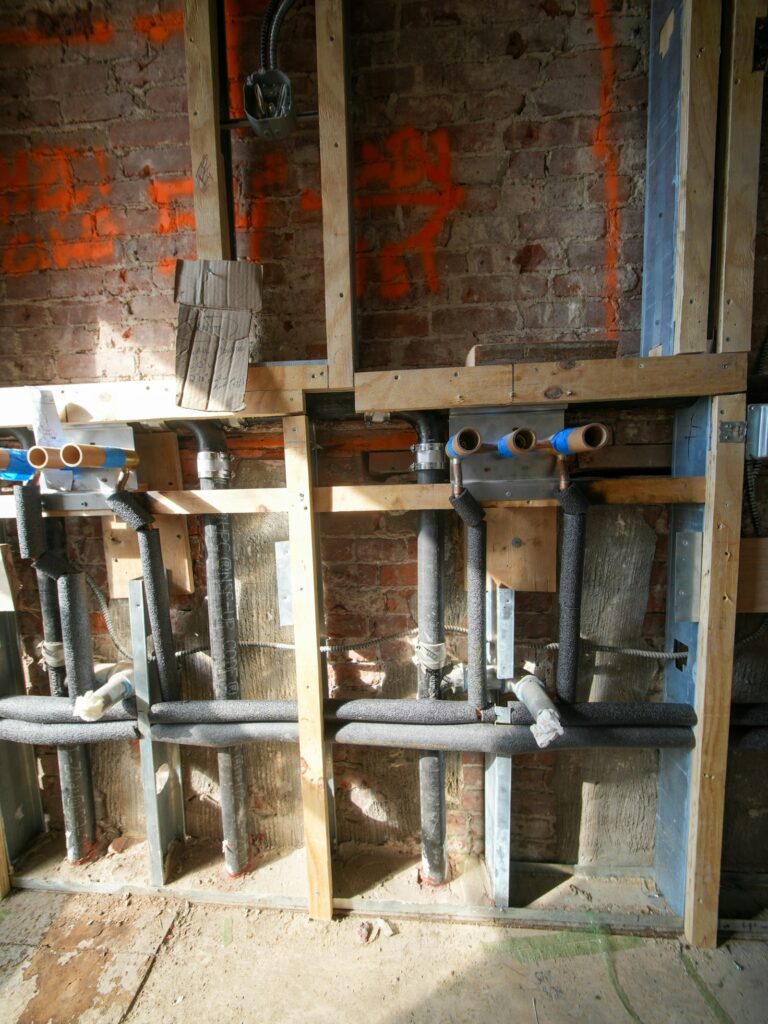
Most houses use a storage tank that heats water and keeps it ready. Over the years, sediment collects at the bottom, parts like thermostats and valves wear out, and the steel tank slowly corrodes from the inside. Nearly every water heater problem comes back to one of those three.
Some failures are straightforward to fix: a bad heating element, a faulty thermostat, or a leaking fitting can be replaced and the heater put back in service. Water coming from the tank body itself is different, because the steel has corroded through, and replacement is the lasting answer.
If a heater has been sitting in water from a leak, it should be inspected before it is used again, even if it seems to work. Controls and burners that got wet can fail in ways that are not obvious.
Safety first: a gas smell near the heater means getting everyone outside and calling the gas utility from there. For a dripping tank, shut the cold inlet valve on top if it is safe to reach, and let a professional handle the gas valve, wiring, and relief valve.
What to watch for
Read across the rows for the warning signs, what usually causes them, and how a plumber responds.
Hot water that runs out early often means sediment or a failing heating part.
Water on the floor may come from a fitting, the relief valve, or the tank itself.
Noise from the tank is usually sediment reacting to the heat.
Minerals settle at the bottom and take up space meant for hot water.
Thermostats, elements, and valves wear out with years of cycling.
The steel tank eventually rusts through and begins to leak.
Controls, piping connections, valves, and the tank are each inspected.
Faulty parts and leaking fittings are replaced if the heater is otherwise sound.
If the tank is failing, sizes and types that suit the house are discussed.
Atlantic Beach homes
If a water heater sits on a lower level or in a garage, keep the area around the tank clear and easy to reach. Replacement work in the village may need a permit, and the Village of Atlantic Beach lists a Building Department that handles them. Keeping stored items away from the tank also makes a slow leak much easier to spot.
Homes with fuel-burning appliances should have working CO alarms. The CPSC’s carbon monoxide information center calls for alarms on every level and outside sleeping areas.
The tank’s label shows its capacity, fuel type, and usually when it was made. Snapping a picture of that label speeds things up. Knowing the age helps decide between repair and replacement.
If water ever reached the heater, have it checked before relighting or switching it back on.
It comes down to how old the heater is, which component quit, and whether the tank itself is leaking. A failed part on a sound heater is usually worth fixing. A tank leaking from its body, or a unit near the end of its service life, generally calls for replacement. The household’s hot water needs and the space available shape the choice of a new heater. We talk through the choices with you before ordering anything.
Related services
Water near the heater sometimes comes from a pipe or valve nearby rather than the tank, and fixing a leaking supply connection may be all that is needed. Water heaters are just one of the household systems we look after in Atlantic Beach.
We also serve homes in Inwood, Lawrence, Lido Beach, Long Beach, and Atlantic Beach Estates.
Call (833) 603-1840 Monday through Friday from 9:00 a.m. to 9:00 p.m., or request a visit online. Let us know whether the heater is gas or electric and what you are noticing.
Questions
Not until it has been inspected. Controls, burners, and wiring that were in water can fail or become unsafe.
Sediment buildup, a failing element or thermostat, or a heater too small for the household can all shorten the hot water supply.
That line carries water away from the relief valve, which opens if the tank gets too hot or pressurized. Water coming out of it means the heater should be checked.
Many manufacturers recommend it. An old drain valve or a tank that has never been drained is best left for a plumber to flush. Flushing removes the sediment that causes popping and lost capacity.
The label usually shows the manufacture date, sometimes coded into the serial number.
Homeowners often want to know about heat pump water heaters. We also wrote about how long a heater takes to recover.