- 833-603-1840
- info@jprplumbingnewton.com
- Mon - Fri: 9:00 - 21:00

Corona, Queens
Busy bathrooms see a lot of use, and when a toilet overflows, clogs again and again, or won’t stop running, the whole household feels it. JPR Plumbing helps Corona homeowners and landlords repair urgent toilet problems so bathrooms work again. Call (833) 603-1840 and tell us what the toilet is doing.
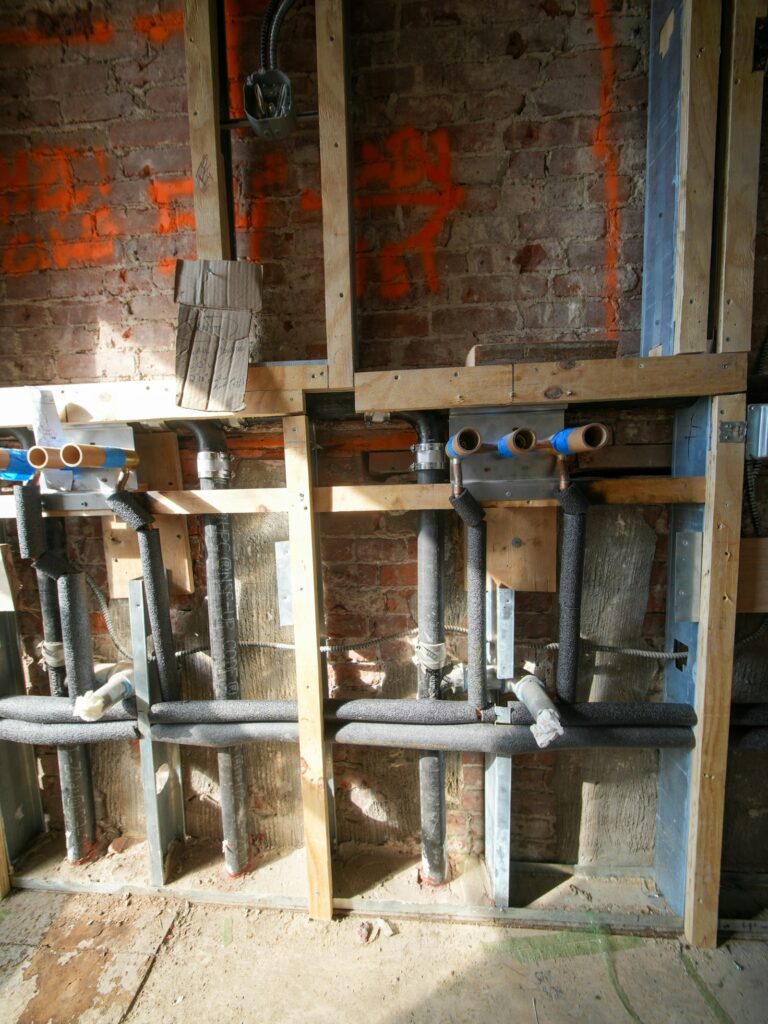
A toilet depends on its fill valve, flapper, flush valve, and the wax seal at the floor. In busy households, these parts get used many times a day and wear out faster. When one fails, or a clog forms, you may see water rising to the rim, seepage around the base, or a tank that never stops refilling.
A toilet emergency is most urgent when water is spreading or a family has no working bathroom. In a two- or three-family house, a leak at the base of an upstairs toilet can also damage the ceiling below. Quieter problems, like a running toilet, still waste water and raise the bill for everyone in the building. Finding the failed part is the first step to the right repair. You can explore our full range of plumbing services in New York on our homepage.
What to know
These are the toilet problems we hear about most, their usual causes, and how a plumber can help.
Repeat clogs can come from heavy paper use, wipes, or a partial blockage further down the line.
Water climbing toward the rim usually means a clog in the trap or drain.
Seepage around the floor may come from a failed wax seal, loose bolts, or a crack.
A tank that keeps refilling usually has a worn flapper or a fill valve that won’t shut off.
Toilets in busy homes wear out sooner than those in homes with fewer people.
Wipes don’t break down like toilet paper and can lodge in the toilet or line.
A plumber clears the blockage and checks whether it reaches into the drain line.
Flappers, fill valves, flush valves, and supply lines can usually be replaced.
If the seal has failed, the toilet is lifted, fitted with a new seal, and reset firmly.
Corona considerations
Multi-family houses and busy bathrooms shape how toilet problems show up in Corona.
If a toilet starts to overflow, turn the shut-off valve behind it clockwise right away to stop the water.
The U.S. EPA’s WaterSense toilet fact sheet says toilets account for nearly 30% of indoor water use in an average home, some older models use up to 6 gallons per flush, and a leak can often be found by adding food coloring to the tank.
In two- and three-family houses, a toilet leak upstairs often shows up first as a stain on the ceiling below, so it helps to act quickly and check the unit above.
When several households share a water account, a running toilet in one unit raises the bill for the whole building.
Most toilet repairs are fairly contained, but costs still depend on the problem. Common factors include:
After checking the toilet, a plumber can tell you whether repair or replacement makes more sense. Many repairs only need a few new parts.
Related services
If the problem goes beyond the toilet, these services may help. You can also see all of our plumbing services in Corona. Related services include:
We serve homeowners and landlords across Corona, from the blocks near Northern Boulevard and Junction Boulevard to the streets around Roosevelt Avenue and Corona Avenue. Contact us to confirm availability at your address.
Call (833) 603-1840, Monday to Friday, 9:00 a.m. to 9:00 p.m., or request service online. Let us know what the toilet is doing and whether water has reached the floor.
Questions
Turn the shut-off valve behind the toilet clockwise. If it won’t move, close the main water valve.
The EPA suggests adding food coloring to the tank and waiting about 10 minutes without flushing. Color in the bowl means a leak.
Heavy paper use, wipes, or a partial blockage in the drain line are common causes.
A worn flapper is the most common cause and is usually a simple replacement.
The EPA notes some older toilets use up to 6 gallons per flush, while WaterSense models use 1.28 gallons or less.
A leaking toilet seal or supply line upstairs is a common cause. Have it checked soon.
It’s best not to. Wipes don’t break down like toilet paper and can clog the toilet and the building’s drain line.
Helpful plumbing articles: Our guides cover handling an overflowing toilet and toilet problems that need fast repair.
Have a different question? Contact our team.