- 833-603-1840
- info@jprplumbingnewton.com
- Mon - Fri: 9:00 - 21:00

Franklin Square, NY
For houses with a sump pump, the pump is the last line of defense against water collecting under the basement floor. JPR Plumbing repairs sump pumps in Franklin Square homes, including pumps that will not start, clog with debris, or run without stopping.
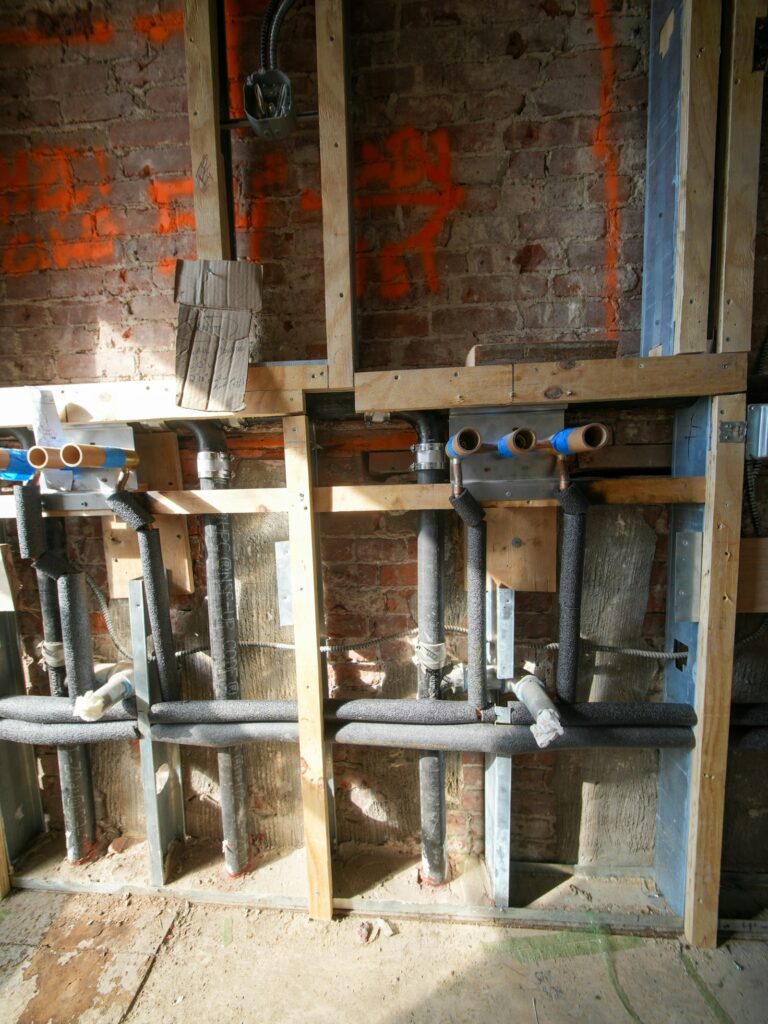
The pump lives in a pit dug into the lowest part of the basement floor. When water rises in the pit, a float or switch turns the pump on, and the water is pushed outside through a discharge pipe. A check valve keeps the water from flowing back into the pit.
Repair starts with finding which part has failed. A float caught on the side of the pit or a clogged intake can sometimes be fixed on the spot. A worn motor or a pump that has been running constantly for years usually needs to be replaced.
Because a sump pump can sit idle for weeks between storms, a problem often goes unnoticed until heavy rain arrives. Testing it before the wet season, and listening for new noises when it runs, gives you a chance to fix it before it is needed.
Safety first: stay out of standing water near outlets, cords, or appliances, and never reach into the pit while the pump is plugged in. Move belongings to higher ground only if you can do so without walking through deep water.
Pump problems
The first row lists common symptoms, the second covers what usually causes them, and the third shows how a plumber fixes them.
Many people learn the pump has quit when the floor gets wet in a downpour.
Humming without water moving can mean a jammed impeller or a failing motor.
Debris in the pit can block the intake and stop the pump from working.
Floats can catch on the pit wall or the power cord.
Water flows back into the pit and keeps the pump cycling.
Soil, leaves, or ice can block the discharge pipe outdoors.
Power, switch, pump, check valve, and discharge line are all tested.
Debris is removed and failed parts are repaired or replaced.
The pit is filled to confirm the pump starts, empties it, and stops.
Franklin Square homes
Not every home in Franklin Square has a sump pump. Where one is installed, the basement often depends on it during heavy rain, and a failure tends to show up during exactly the storm when it is needed most. If your basement is finished, a failed pump can damage flooring, drywall, and stored belongings in a short time.
Ready.gov’s flood guidance warns never to walk, swim, or drive through flood water, noting that six inches of moving water can knock a person down.
A cover keeps debris out of the pit, and an occasional look inside helps you spot silt or objects that could jam the float.
Pour a bucket of water into the pit in spring and fall to confirm the pump starts and shuts off. Note how long it takes to empty the pit, too.
The failed component, the pump’s age, how reachable the pit is, and the state of the discharge pipe all affect the job. A cleared intake or freed float can be quick. A burned-out motor usually means a new pump. Where a pump falls behind in big storms, a larger unit or a different arrangement may be worth talking through. You will hear what failed before any part is replaced.
Related services
Water that comes up through a floor drain and smells of sewage is a drain problem rather than a pump problem, and the page on sewage rising through a basement drain explains what to do. For anything else, see the household plumbing help we provide in Franklin Square.
Homes in Stewart Manor, Malverne, West Hempstead, Elmont, and Garden City South are covered too.
Reach us at (833) 603-1840 on weekdays from 9:00 a.m. to 9:00 p.m., or send a request online. Tell us what the pump is doing and how much water has collected.
Questions
The motor has power but water is not moving, often because the impeller is jammed by debris or the motor is failing.
If water rises in the pit and the pump does not start, the float may be caught. Unplug the pump before checking, and keep your hands out of the water.
Often, yes. Removing debris from the intake and pit can restore it, unless the motor has been damaged.
Without electricity, an ordinary pump simply stops. Ask about backup options if your basement relies on it.
No. Many homes never need one. Pumps are usually installed where water collects under or around the basement, and a plumber can tell you whether yours is working as it should.
Want to read up before you call? We explain high-water alarms for sump pits, and we also cover choosing the right size sump pump.