- 833-603-1840
- info@jprplumbingnewton.com
- Mon - Fri: 9:00 - 21:00

East Elmhurst, Queens
Many East Elmhurst houses have basements, and homes with a sump pump depend on it during heavy rain. When the pump fails to start, clogs, or can’t keep up, water can collect fast. JPR Plumbing helps homeowners repair or replace sump pumps and get water moving out again. Call (833) 603-1840.
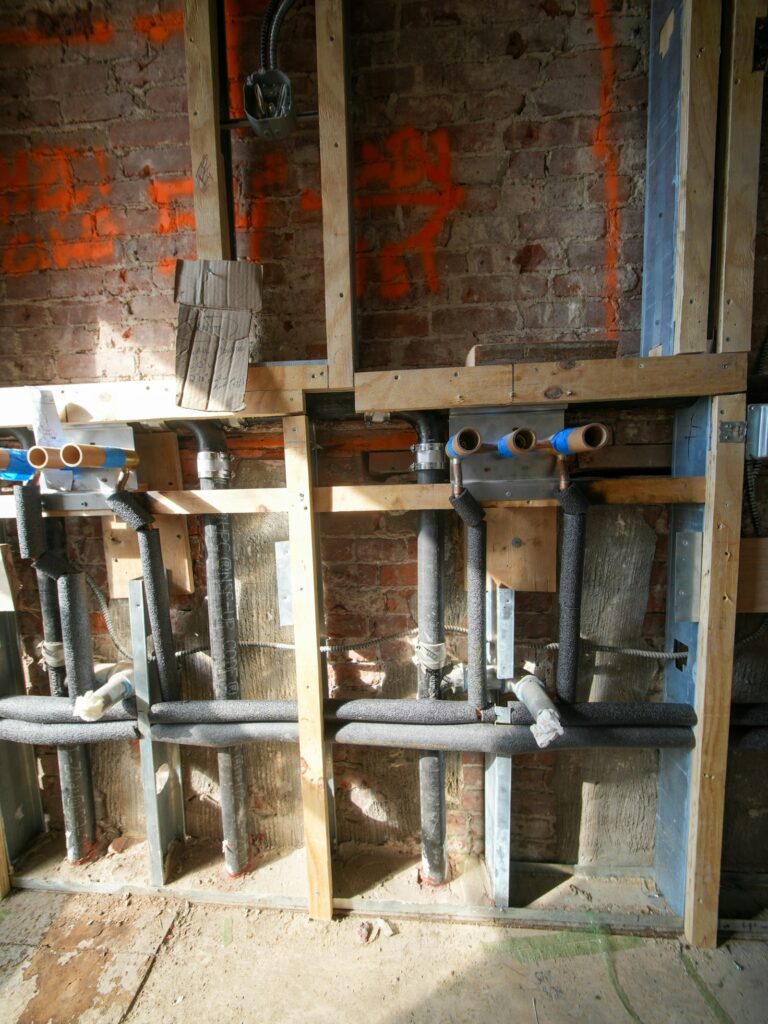
A sump pump sits in a pit at the lowest point of a basement. Groundwater and seepage drain into the pit, and when the water reaches a set level, a float switch turns the pump on. The pump pushes the water out through a discharge pipe, and a check valve keeps it from flowing back into the pit.
Because a sump pump may sit idle for weeks or months, problems often show up only when a storm arrives and water is already rising. Emergency repair focuses on getting water moving out of the basement first, then finding out why the pump failed so it is less likely to happen again. Learn more about our services on the JPR Plumbing homepage.
What to know
Here is what sump pump trouble usually looks like, why pumps fail, and what a plumber can do about it.
A rising pit with no pump running can mean a failed switch, motor, or power supply.
Constant running can come from a stuck float, a failed check valve, or more water than the pump can move.
A humming motor that doesn’t move water may have a jammed impeller or a blocked intake.
The float can catch on the pit wall or the cord and fail to turn the pump on or off.
Heavy storms can knock out power just when the pit is filling fastest.
Debris or ice in the outlet pipe keeps water from leaving even while the pump runs.
A plumber works on the switch, intake, or discharge to get water moving out of the pit.
Switches and check valves can often be replaced. A worn-out or undersized pump may need replacing.
A battery backup pump or high-water alarm can add protection during storms and outages.
East Elmhurst considerations
With many basements and blocks close to Flushing Bay, storm water is something East Elmhurst homeowners plan for.
Stay out of basement water near outlets, appliances, or the electrical panel until it is safe.
NYC DEP’s flood preparedness guide notes that spaces below street level are the most vulnerable to flooding, and recommends directing roof runoff away from the foundation and elevating critical equipment like boilers and electrical panels.
Low-lying blocks closer to Flushing Bay can see more water during intense storms, which puts extra demand on basement drainage and sump pumps.
A sump pump handles groundwater. Water rising through a floor drain or toilet is usually a sewer issue that needs a different fix, such as line cleaning or a backwater valve.
Sump pump repair costs depend on what failed and the condition of the system. Common factors include:
After checking the pump, float switch, check valve, and discharge line, a plumber can explain whether a repair or a new pump makes more sense.
Related services
Basement water can have more than one cause. You can also see all of our plumbing services in East Elmhurst. Related services include:
We serve homeowners across East Elmhurst, from the blocks near Flushing Bay and Ditmars Boulevard to the streets around Astoria Boulevard and Northern Boulevard. Contact us to confirm availability at your address.
Call (833) 603-1840, Monday to Friday, 9:00 a.m. to 9:00 p.m., or send a request online. Tell us what the pump is doing and how much water is in the basement.
Questions
Common reasons include a power outage, a stuck float switch, a jammed impeller, or an old, worn-out pump.
If storms in your area often cause power outages, a backup pump can keep removing water when the main pump can’t run.
A float set too low, a small pit, or a check valve letting water flow back can cause short cycling.
No. It handles groundwater. Sewer backups need line cleaning, repairs, or a backwater valve.
Water should be directed away from the foundation. A plumber can check whether your setup is appropriate.
Check before storm season that the float moves freely and the pump starts. If it doesn’t, call a plumber.
Grinding or rattling may mean debris in the impeller or worn bearings. A hum with no pumping may mean a jam.
Have a different question? Contact our team.