- 833-603-1840
- info@jprplumbingnewton.com
- Mon - Fri: 9:00 - 21:00

Elmhurst, Queens
A stain spreading across a ceiling, a musty smell in the bathroom, or paint bubbling on a wall can all mean water is escaping somewhere you can’t see. JPR Plumbing helps Elmhurst homeowners and unit owners track hidden leaks to their source so they can be repaired. Call (833) 603-1840.
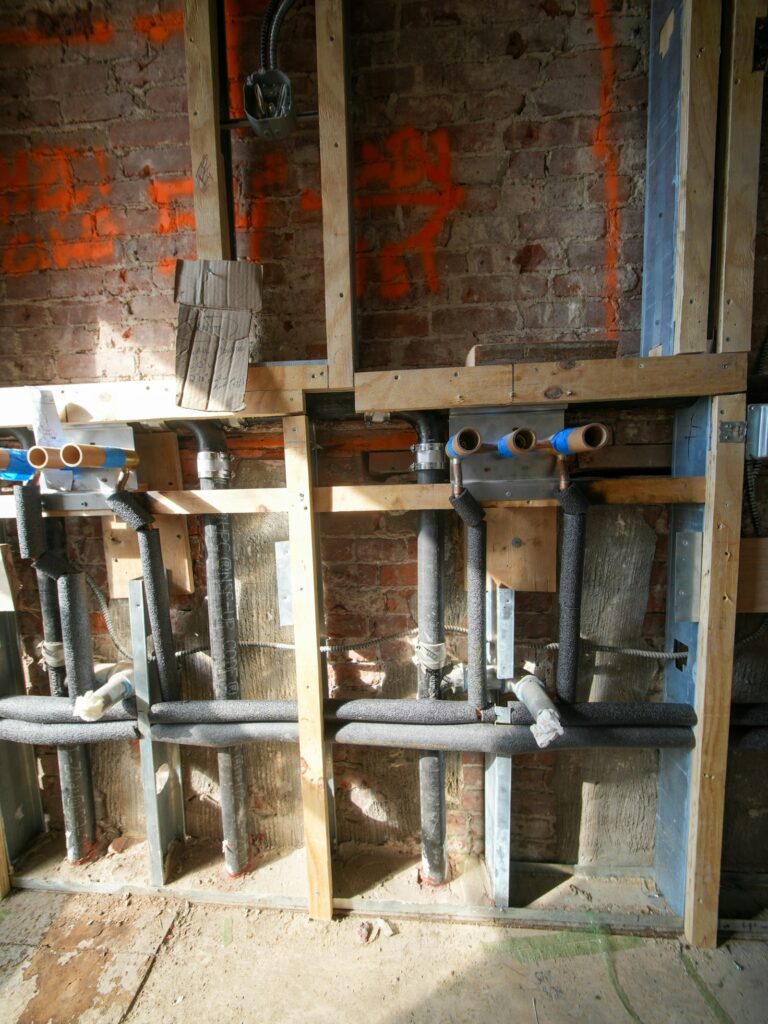
Hidden leaks start in places you can’t easily see: inside walls, under floors, behind shower tile, or in ceilings between apartments. Water can travel along pipes and framing for some distance before it shows, so the stain you notice may be far from the actual leak.
In Elmhurst’s apartment buildings and multi-family houses, a hidden leak may start in your home, a neighbor’s home, or a shared building pipe. Leak detection narrows down the source before walls or ceilings are opened, which keeps repairs smaller and helps stop moisture from causing mold. The longer a hidden leak runs, the more damage it can do to drywall, plaster, framing, and floors. You can learn about our wider New York plumbing services on our homepage.
What to know
These are signs that often point to a hidden leak, the most common sources, and how a plumber works to find them.
Brown rings or damp patches often appear below bathrooms and kitchens on the floor above.
Moisture behind a wall can make paint bubble or drywall feel soft.
A lasting musty odor often means water is collecting behind surfaces.
Worn grout, caulk, or valve seals let water escape into the wall every time the shower runs.
A failed toilet seal can leak into the floor and show up on the ceiling below.
Slow drips from hidden supply lines can soak cabinets and floors over time.
A plumber checks fixtures and the pattern of damage to trace where water is coming from.
Running and shutting off individual fixtures helps show which one is leaking.
Once the source is found, the plumber explains the repair and the access needed.
Elmhurst considerations
Stacked apartments and busy bathrooms make hidden leaks a shared concern in Elmhurst.
If a ceiling is sagging from water, stay out from under it and keep away from nearby light fixtures.
The NYC Health Department’s guide to preventing and removing mold says the best way to control mold is to fix the underlying water problem, such as a leak, and that tenants should report leaks to the property owner. If a problem isn’t fixed, tenants can call 311.
In apartment buildings, bathrooms and kitchens are usually stacked, so water from above is a common cause of ceiling stains. Checking the unit above is often part of finding the source.
In two- and three-family homes, the owner usually handles the whole system, so finding the leak quickly protects every unit and limits repairs.
The cost of finding a hidden leak depends on how much investigation it takes. Factors include:
A plumber can explain the next steps once the source has been narrowed down, including what access the repair will need.
Related services
Once the leak is found, the repair may involve another service. You can also see all of our plumbing services in Elmhurst. Related services include:
We serve homeowners and unit owners across Elmhurst, including the apartment blocks along Queens Boulevard and Broadway and the attached houses on nearby side streets. Contact us to confirm availability at your address.
Call (833) 603-1840, Monday to Friday, 9:00 a.m. to 9:00 p.m., or request service online. Tell us what you’ve noticed and where.
Questions
Look for ceiling stains, bubbling paint, soft drywall, musty smells, warped floors, and loose tiles around tubs and showers.
Usually it comes from above, either a neighbor’s unit or a building pipe. Tell your neighbor or building management first.
Yes. The NYC Health Department says mold grows in damp places and is best controlled by fixing the water problem.
Report it to your landlord or property owner. If it isn’t fixed, you can call 311.
The goal is to find the source first so any opening is small and in the right place.
Yes. Worn grout, caulk, or valve seals can let water into the wall every time the shower is used.
As soon as you can. Hidden leaks can damage walls and ceilings and spread to other units over time.
Helpful plumbing articles: These guides answer two common questions: What are the signs of a hidden plumbing leak? and Why are water stains appearing on the ceiling?
Have a different question? Contact our team.