- 833-603-1840
- info@jprplumbingnewton.com
- Mon - Fri: 9:00 - 21:00

Staten Island, NY
A kitchen sink full of standing water, a shower that won’t drain, or a basement floor drain that starts gurgling can stop a household in its tracks. JPR Plumbing helps Staten Island homeowners clear serious clogs and restore normal drainage. Call (833) 603-1840 and let us know which drains are affected.
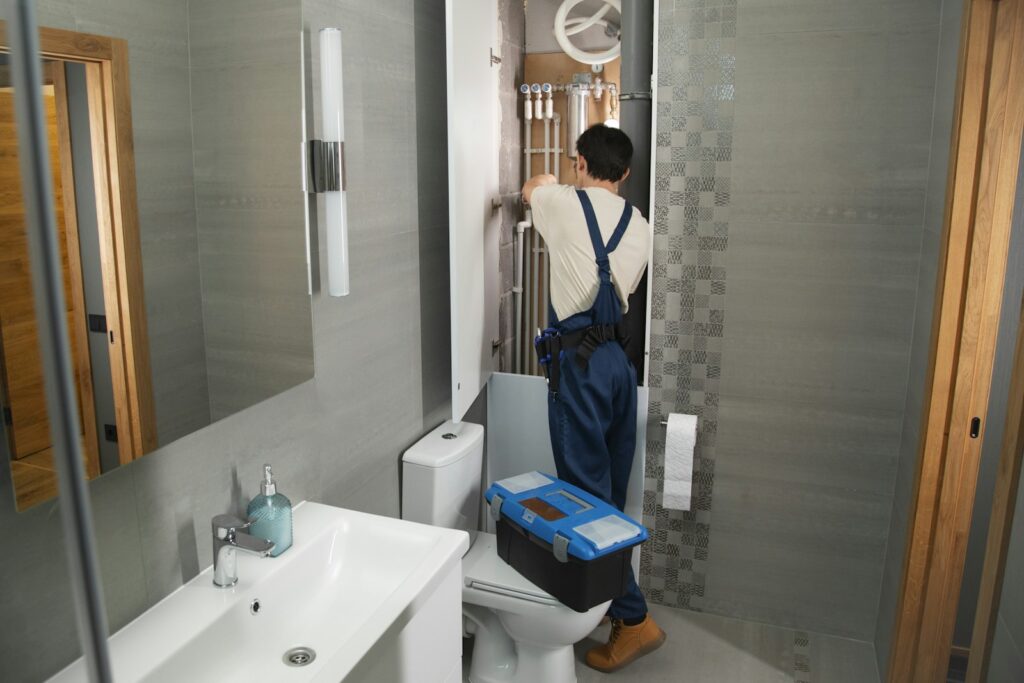
Clogs usually build slowly as grease, food, soap, hair, and debris collect inside a pipe. A clog becomes urgent when a fixture stops draining entirely, when dirty water comes up in a different fixture, or when the blockage affects the only kitchen or bathroom in the house.
Emergency drain cleaning means clearing the blockage and working out where it sits. A clog in a sink trap is handled very differently from one deep in the main drain or house sewer. Learn more about our plumbing services across New York on our homepage.
Here are the most common warning signs, what usually causes serious clogs, and how a plumber can help.
01
Standing water in a sink, tub, or shower usually means a blockage in the trap or branch line.
02
When multiple fixtures slow down together, the clog may be in a shared line or the main drain.
03
Gurgling sounds and bad odors suggest water and air are struggling to get past a blockage.
04
Oil and fat harden as they cool, coating pipes and trapping food scraps until the drain closes up.
05
On properties with mature trees, roots can enter older drain and sewer lines through joints and cracks.
06
Bathroom drains collect hair and soap, while wipes can snag in pipes and add to blockages.
07
A plumber checks which fixtures are affected to tell whether the problem is local or in a main line.
08
Depending on the clog, professional cabling or other equipment may be used to open the line.
09
Repeat clogs can signal damaged or root-filled pipe that needs more than cleaning.
Repair costs
Drain cleaning costs depend on the cause of the clog and where it is. Factors include:
A plumber can explain the work once the clog has been located.
Staten Island considerations
Yards, trees, and homes with several bathrooms all play a part in how drains clog on Staten Island.
Keep Grease Out of Drains. NYC DEP’s guide to disposing of cooking oil and grease says oil poured down a drain clogs pipes in your home and the city sewers, and recommends letting it cool and putting it in a sealed container in the trash.
Roots Near Older Lines. Many homes have mature trees close to the house sewer line. Roots look for moisture and can grow into older pipe.
Lower-Level Bathrooms. Homes with basement bathrooms and laundry areas often see backups there first, since they are the lowest drains in the house.
If dirty water is coming up through a drain, avoid touching it and stop using water in the house until the line is cleared.
Some clogs are part of a larger drainage problem. You can also see all of our plumbing services on Staten Island. Related services include:
We serve homeowners across Staten Island, including St. George, Stapleton, Port Richmond, West Brighton, New Springville, Dongan Hills, New Dorp, Midland Beach, Great Kills, Eltingville, Annadale, and Tottenville. Contact us to confirm availability at your address.
Questions
Strong chemicals can damage some pipes and often don’t clear serious clogs. If a plunger doesn’t help, contact a plumber.
It’s usually the lowest drain in the house, so water from a blockage further down the line rises there first.
NYC DEP recommends letting oil and grease cool, pouring it into a sealable container, and putting it in the trash.
Yes. Roots can enter older sewer and drain pipes through small cracks and joints and trap debris.
Signs include several slow drains at once or water rising in a tub or shower when a toilet is flushed.
Keep grease out of sinks, use drain screens to catch hair, and only flush toilet paper.
Helpful plumbing articles: We also explain why several drains can clog at the same time and when a slow drain needs a professional.
Call (833) 603-1840, Monday to Friday, 9:00 a.m. to 9:00 p.m., or request service online. Tell us which drains are slow or blocked.