- 833-603-1840
- info@jprplumbingnewton.com
- Mon - Fri: 9:00 - 21:00

Albertson, Nassau County
Pipes in garages, crawl spaces, and along exterior walls are the first to freeze in a cold snap, and when they crack, the leak often starts only once the ice melts. JPR Plumbing repairs burst pipes in Albertson homes, replaces the broken section, and checks the rest of the line for weak spots.
A burst pipe is a supply line that has split, cracked, or separated at a joint. Because supply pipes are under constant pressure, water keeps escaping until the main valve is closed.
Freezing is the most common cause in winter, but older steel pipe that has corroded from the inside, high water pressure, and accidental damage during home projects can cause the same failure in any season.
Repair means cutting out the damaged section and installing new pipe and fittings that match the existing system. Because a freeze rarely damages only one spot, the plumber also checks the pipe on both sides of the break and tests the repair under pressure.
Once the break is fixed, it is worth asking whether other pipes in the same cold space show corrosion or frost damage, so a second failure does not catch you off guard next winter.
How a plumber can help
With the water off, the repair usually follows these steps:
On a bitter morning, a tap that barely runs is often fed by a frozen line.
Water marks, drips, or a drooping ceiling suggest a hidden split.
A sudden pressure loss at every fixture can mean water is escaping.
Any pipe in an unheated area is at risk when temperatures plunge.
Pipes along exterior walls lose heat fastest on cold, windy nights.
Older pipe weakens at threaded joints and can fail under pressure.
Close the main valve, open a faucet on the lowest floor to relieve pressure, and keep everyone away from wet outlets and light fixtures. Keep any flame or torch well away from a frozen line. Move rugs and stored items out of the water’s path if it is safe. Then reach us at (833) 603-1840.
Albertson considerations
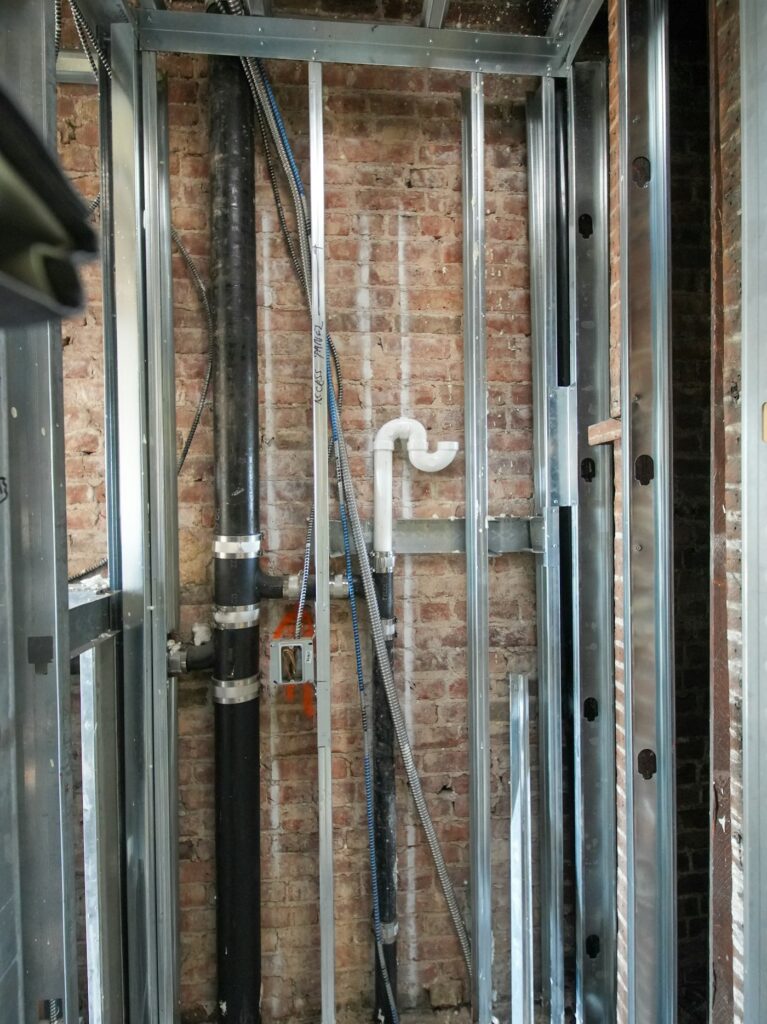
Albertson’s homes sit in a suburban hamlet in the Town of North Hempstead, and the pipes most at risk in winter are the ones in garages, near outside walls, and feeding outdoor faucets. The National Weather Service’s New York forecast office posts local forecasts, which help you prepare before a hard freeze arrives. If a garage shares a wall with living space, the pipes in that wall deserve particular attention, since they can be much colder than the rooms around them.
Outdoor faucets. shut off the indoor valve to each outdoor spigot, open the spigot to drain it, and disconnect hoses, leaving the spigot open through the winter
Garage pipes. keep the garage door closed in very cold weather and insulate pipes that run through it, and seal gaps where cold air gets in
Time away. keep the heat on at a steady setting and consider closing the main valve if the house will be empty
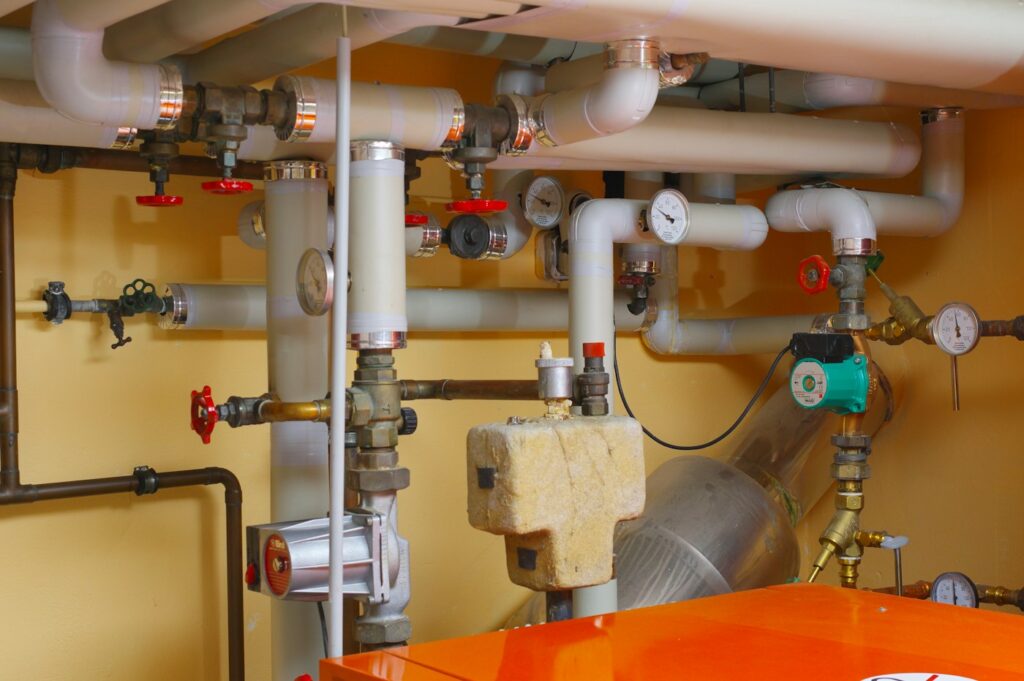
The job depends on what the pipe is made of, its diameter, where it split, how reachable that spot is, and the length of damage. A crack in a pipe you can see in the garage is quicker to fix than one buried in drywall. Soaked drywall and floors should be dried fast to keep problems from spreading. You will get the full picture before any cutting begins.
If water was escaping for some time before it was noticed, fixing any other active leaks can be handled on the same visit, so nothing is left dripping out of sight. For broader plumbing concerns, see the kinds of repairs we handle in Albertson.
We also help homeowners in Roslyn Heights, Searingtown, Williston Park, East Williston, and Mineola.
Questions
Close the main valve, open a low faucet to drain pressure, and move belongings away from the water. Then call for a repair.
Frost on an exposed pipe or a faucet that stops flowing in very cold weather are the usual signs. Low pressure at a single tap on a cold morning is another clue.
Ice can seal a crack while the pipe is frozen. Once it melts, water escapes through the opening.
Usually only the damaged section. Badly corroded pipe nearby may also be worth replacing. You will hear the options before any work begins.
Insulating the pipe, sealing drafts, and keeping the space warmer all help. Rerouting a line away from a cold wall is sometimes the best fix.
For extra background, we explain how PEX holds up in a freeze in one guide and telling a burst pipe from a slow leak in another.
Phone (833) 603-1840 weekdays from 9:00 a.m. to 9:00 p.m. Tell us where the water is coming from and whether the main valve is closed.