- 833-603-1840
- info@jprplumbingnewton.com
- Mon - Fri: 9:00 - 21:00

Garden City, NY
A hidden leak can raise the water bill for months before it shows as a stain or a soft spot. JPR Plumbing helps Garden City homeowners track down concealed leaks with as little disruption as possible, so walls and floors are opened only where the repair needs to happen.
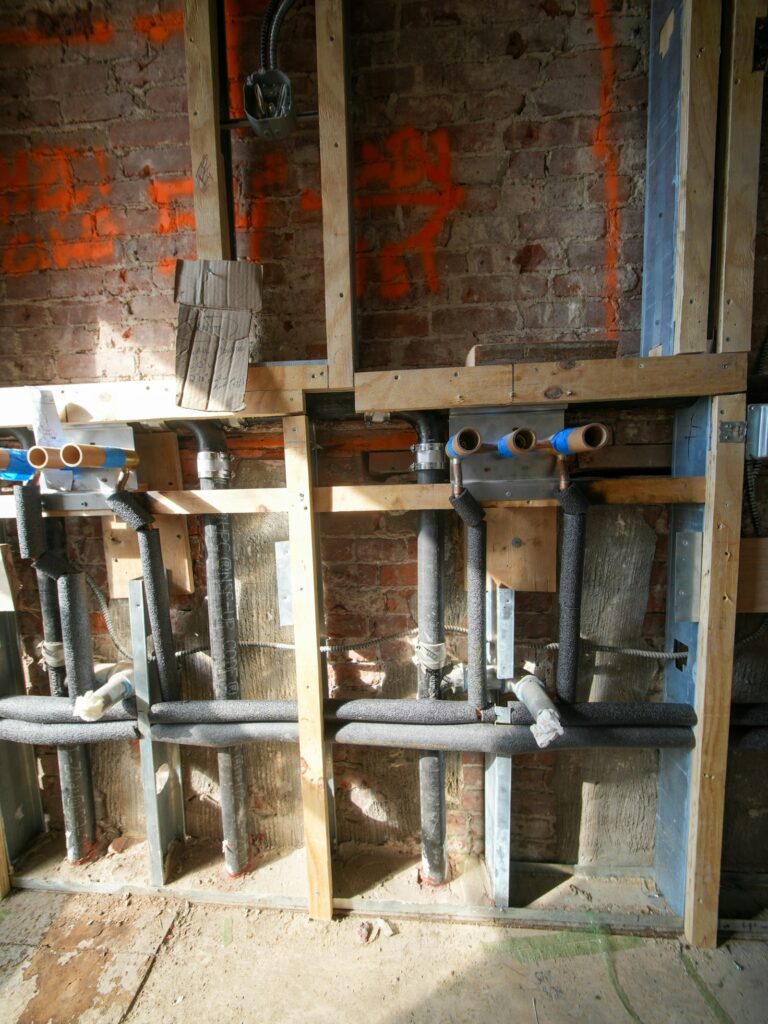
Finding a concealed leak begins with the water meter. With all fixtures and appliances off, a moving meter confirms that water is escaping. The plumber then narrows the search by checking which lines serve the area where moisture appears and testing them one at a time.
Supply leaks run continuously because those pipes are always under pressure. Drain leaks appear only when water is used, so a cracked waste pipe may show moisture only after a shower or a load of dishes. That pattern is one of the most useful clues you can share.
In a house with several generations of plumbing, the joints between newer and older pipe are common places to start looking. Notes or receipts from past renovations can point to where those joints are.
Finding the source first keeps the repair small. Opening walls or ceilings at random adds work and expense, while a careful search puts the opening right where the pipe needs to be fixed.
While you wait: when the meter keeps turning with all water off, shut the main valve to slow the damage. Keep clear of light fixtures and outlets near damp ceilings, and do not cut into walls where wiring may run. Keep people out from under any ceiling that is bowing with water.
Warning signs
The first row lists signs of a concealed leak, the second covers likely causes, and the third explains how the source is found.
Use that climbs without a change in habits often points to a leak.
Discoloration or bubbling paint on walls and ceilings often sits near a leaking pipe.
A persistent damp odor can come from moisture inside a wall or floor.
Transitions between pipe materials can loosen or corrode over time.
Connections behind walls and under floors can fail out of sight.
Waste pipes may leak only when water is used.
A meter reading confirms the loss and becomes the starting point.
Each line and fixture is shut off in turn until the leak shows itself.
The location is narrowed down before any opening is made.
Garden City homes
Garden City is an incorporated village with its own water system, and homes that have been remodeled over the decades often have pipes running behind several layers of finishes. Keeping notes on past renovations helps a plumber guess where lines run. A wall that backs onto a bathroom or kitchen, or a ceiling below one, is usually the first place to look.
Per the EPA’s guide to mold and moisture, materials dried within 24 to 48 hours usually stay mold-free, something a concealed leak never allows.
Read the meter at night after the last water use and again in the morning. A change with no water used points to a leak. Write both readings down so you can share them.
Note whether moisture appears all the time or only after certain fixtures are used. A leak that shows only after showers, for example, points to the shower valve or drain.
The number of lines in play, the finishes covering them, and whether supply or drain is leaking all affect the search. Accessible pipes in a basement are quicker to check than those behind finished walls or under tile. You get a full account of the findings before repairs are planned. Long-standing dampness may mean drying the area and checking for mold afterward.
Related services
Once the leak is pinpointed, repairing the leaking pipe or connection is the next step. For other plumbing concerns, see the services available to homeowners in Garden City.
We also help households in West Hempstead, Mineola, Garden City Park, Garden City South, and Stewart Manor.
Phone (833) 603-1840 on weekdays from 9:00 a.m. to 9:00 p.m., or send a request online. Describe where you have seen moisture and what the meter shows.
Questions
Shut off every tap and appliance, then look at the meter; any movement means a leak. A slow, steady change can mean a small but constant leak.
The location can usually be narrowed down first, so only the area needed for the repair is opened.
Water can travel along pipes and framing before it soaks through, so the stain may not be directly below the leak.
Yes. A toilet leaking from tank to bowl can waste water quietly. Food coloring in the tank will reveal it.
Not always. Condensation and outside water can cause dampness too. Checking the meter sorts out which it is.