- 833-603-1840
- info@jprplumbingnewton.com
- Mon - Fri: 9:00 - 21:00

Manhasset, NY
Water heaters have a way of failing at the worst time, such as a holiday weekend with a full house or a cold morning before work. JPR Plumbing diagnoses and repairs water heaters in Manhasset homes, and when a tank has reached the end of its life, explains the replacement options plainly.
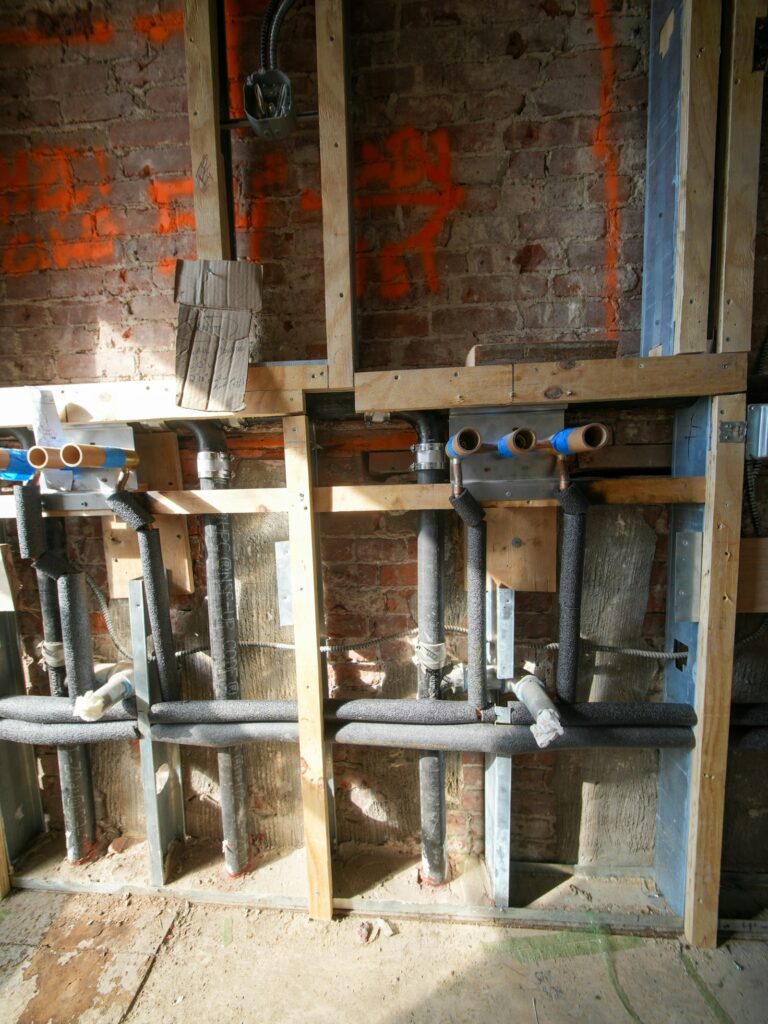
Most homes use a storage tank that heats water and holds it until it is needed. Over time, minerals collect at the bottom, internal parts wear out, and the steel tank slowly corrodes. Nearly every water heater problem traces back to one of those three things.
Some failures, such as a bad thermostat, element, or valve, can be repaired and the heater put back into service. A leak from the body of the tank is different: once the tank itself is leaking, replacement is usually the only lasting answer. Knowing the heater’s age, fuel type, and what changed recently helps a plumber sort out which situation you are in.
Paying attention to small changes, such as hot water running out sooner or a new noise from the tank, often gives enough warning to plan a repair before the heater quits completely.
Safety first: if you notice a gas odor around the heater, get everyone outside and call your gas utility from there. For a leaking tank, keep away from wiring and controls in the wet area, and leave gas valves, burners, and electrical parts to a professional.
What to look for
The first row lists warning signs, the second covers common causes, and the third explains what a plumber does about them.
A heater that has stopped heating may have a failed component, control, or supply issue.
Water on the floor can come from a fitting, the relief valve, or the tank itself.
Sediment at the bottom of the tank can make noise as the burner or element heats it.
Sediment reduces the tank’s capacity and makes the heater work harder.
Thermostats, heating elements, and valves have a limited working life.
An older tank can rust from the inside until it begins to leak.
The plumber checks controls, connections, valves, and the tank to find what failed.
Failed parts and leaking fittings are replaced when the heater is otherwise sound.
If the tank is leaking or worn out, you get clear options for a new heater.
Manhasset homes
Whether your heater sits in a basement, a garage, or a utility closet, a leak can reach flooring and stored belongings quickly. Keeping the area around it clear makes problems easier to spot. If the heater is in a garage, make sure nothing is stored against it and that the area stays above freezing in winter.
Any home with fuel-burning appliances should have working CO alarms. The CPSC’s carbon monoxide information center recommends alarms on every level and outside sleeping areas.
The label on the tank usually shows when it was made. An older heater with warning signs is a good candidate for a planned replacement.
If hot water runs short when guests stay over, the heater may be too small for current use or may be losing capacity to sediment.
The decision rests on the heater’s age, which part failed, and whether the tank itself is leaking. A failed control or valve on a heater in good shape is usually worth fixing. A tank leaking from its body, or one near the end of its service life, usually calls for replacement. Household demand, fuel type, and the space available also shape the choice of a new unit.
Related services
Water around the heater can come from a nearby pipe or fitting rather than the tank, and in that case repairing the leaking connection may be all that is needed. Water heater trouble is one of many household plumbing problems we handle in Manhasset.
We also serve homes in Munsey Park, Flower Hill, Plandome, North Hills, and Manhasset Hills.
Phone (833) 603-1840 Monday to Friday between 9:00 a.m. and 9:00 p.m., or request service online. Tell us whether the heater is gas or electric and what you have noticed.
Questions
Close the cold water valve above the heater if you can reach it safely, and leave the gas or electrical controls to the plumber.
A sulfur odor in hot water only can come from a reaction inside the tank. The smell is rarely harmful, but the tank should be looked at.
That is usually the discharge pipe from the temperature and pressure relief valve. Water coming from it means the heater should be checked.
If hot water regularly runs out during normal use, and the heater is otherwise working, it may be undersized for the household.
Rumbling is usually caused by sediment and is not an emergency on its own, but it is a sign the tank needs attention.
Many homeowners ask us about sizing a water heater for your household. We also put together a short guide on water in the heater’s drain pan.