- 833-603-1840
- info@jprplumbingnewton.com
- Mon - Fri: 9:00 - 21:00

Great Neck, NY
A slow drip at a second-floor vanity can travel along joists before it ever shows up as a stain on the ceiling below, and by then finished floors and drywall may already be wet. JPR Plumbing repairs active water leaks in Great Neck homes, from supply lines and shut-off valves to fixture and appliance connections.
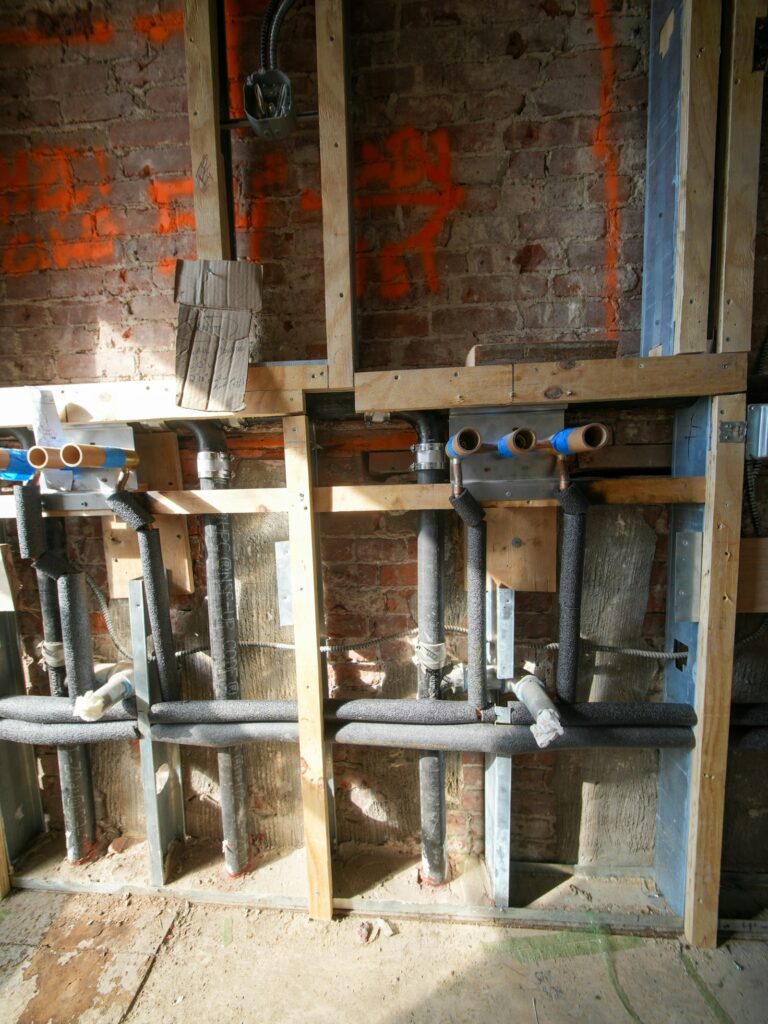
This service handles leaks with a visible or easily located source, such as a valve, supply line, fixture connection, or short run of pipe. When you can see moisture but not where it starts, leak detection usually comes first.
Most leaks come from parts that wear out, such as washers, cartridges, rubber hoses, and old valves. The plumber replaces the failed part, checks the connections around it, and confirms the repair holds under normal pressure. In homes with many fixtures, it is also worth checking other connections of the same age, since they often wear out together.
While you wait: close the valve under the fixture or the main shut-off, catch the drips, and move rugs and furniture away from the water. Stay away from light fixtures and outlets near a wet ceiling. If the ceiling is sagging, keep out of the room below it.
What to look for
The first row shows where leaks commonly appear, the second row explains why, and the third row covers how a plumber fixes them. Use it to judge what you are seeing.
A ceiling stain under an upstairs bathroom often comes from a supply line, valve, or fixture connection.
Water inside a vanity cabinet usually points to a supply line or drain connection.
Ice makers, dishwashers, and washers can leak from hoses and fittings out of sight.
Washers, gaskets, and O-rings harden and crack with age.
Supply hoses can bulge and split after years of constant pressure.
Connections can loosen with vibration or corrode until water seeps out.
The plumber closes the right valve and confirms which part failed.
A new valve, hose, washer, or fitting replaces the worn one.
Once the water is back on, the repaired connection is checked under normal pressure.
Great Neck homes
Homes with several bathrooms, wet bars, and outdoor connections simply have more places for a small leak to start. An upstairs leak often shows up somewhere else first, so shutting off the fixture above a stain and looking for the source directly overhead is a good first step. The stain often sits a little to one side of the leak, because water follows framing and pipes before it soaks through.
According to the EPA’s WaterSense statistics, leaks in an average family’s home can add up to about 9,400 gallons of wasted water a year.
Fixtures that are rarely used can leak for weeks without anyone noticing. Check them every so often for drips and damp cabinets. A quick look once a month is enough.
Placing a towel or bucket under a ceiling stain and shutting off the fixture above limits damage while you wait for help.
Call right away if water keeps coming after you close the nearest valve, if a ceiling is wet or sagging, or if the leak is near electrical equipment. A faucet that drips only when it is running can usually be scheduled. The repair depends on which part failed, how easy it is to reach, and whether the surrounding pipe or finishes have been damaged. If a ceiling was soaked, drying it quickly helps prevent mold and further damage.
Related services
If water is appearing but you cannot find where it starts, narrowing down a hidden leak is the better first step. For other plumbing needs in the house, see how our plumbers help Great Neck homeowners.
Homes in Kings Point, Saddle Rock, Kensington, and Great Neck Estates are covered, along with Thomaston, Russell Gardens, Great Neck Plaza, and Lake Success.
Reach us at (833) 603-1840 on weekdays from 9:00 a.m. to 9:00 p.m., or request service online. Mention which floor the water is on and whether it has reached a ceiling.
Questions
Turn off the fixture’s own valve, found under the sink or behind the toilet. If it is missing or stuck, close the main shut-off.
Water can leak inside the wall or under the floor and run along joists before it shows. The source is often a supply or drain connection you cannot see.
It is better not to. Wiring and pipes may run there, and the plumber can usually narrow down the location first so less needs to be opened.
Yes. If you know of more than one stiff or leaking valve, mention them when you call so they can be handled together.
Yes. A drip that continues for weeks can damage cabinets, floors, and ceilings and adds to your water use.