- 833-603-1840
- info@jprplumbingnewton.com
- Mon - Fri: 9:00 - 21:00

New Hyde Park, NY
Whether your water heater sits in the basement or tucked into a utility closet, you tend to notice it only when it stops doing its job. JPR Plumbing repairs leaking water heaters and units that no longer heat in New Hyde Park homes, and explains when a repair makes sense and when replacement is the better choice.
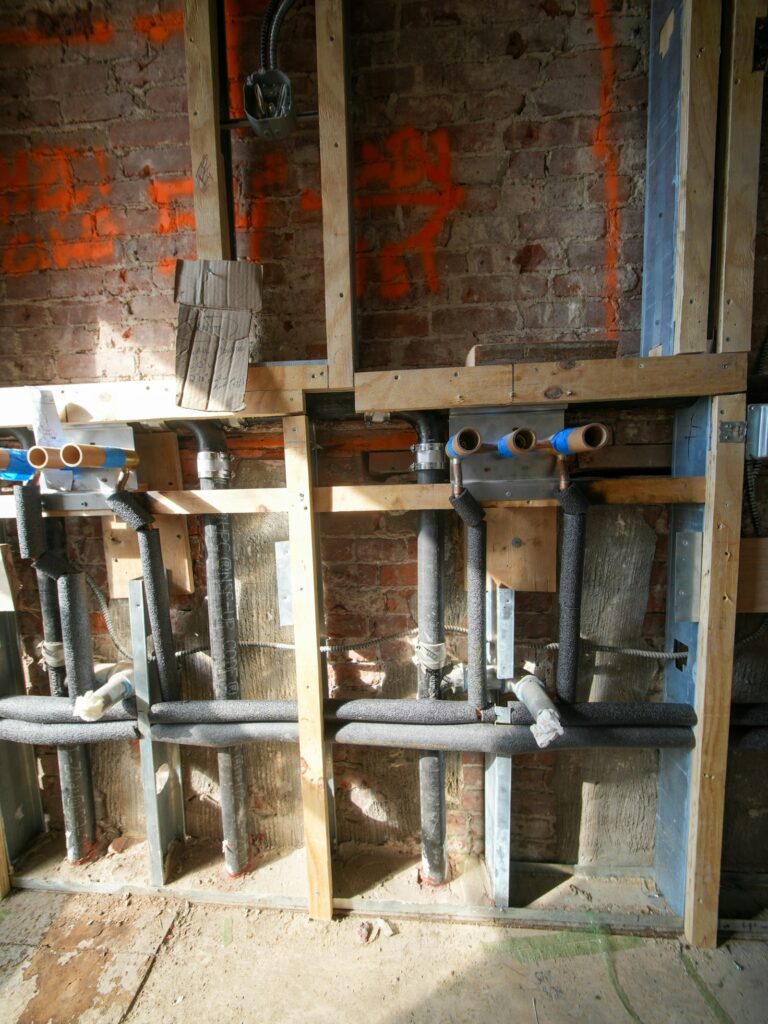
Water heater calls usually fall into a few groups: no hot water at all, hot water that runs out too quickly, water leaking from the tank or its connections, and odd signs such as rumbling, rusty water, or a smell. Each points to a different part of the heater.
A heater in a utility closet or finished area deserves extra attention, because a leak there can soak flooring and walls before anyone notices. Checking around the base every so often is a simple habit that catches leaks early.
Knowing the age of the heater, whether it runs on gas or electricity, and when the problem started helps the plumber judge whether a repair is likely to last.
Safety first: if there is any smell of gas around the heater, leave the home and phone your gas utility once you are outside. For any leaking heater, keep away from wiring and controls in the wet area, and leave gas valves, burners, and electrical parts to professionals.
What to watch for
The first row lists common signs, the second explains likely causes, and the third shows how a plumber can help.
A heater that has stopped heating may have a failed component or control.
A puddle can come from a connection, the relief valve, or the tank itself.
Noises often come from sediment that has built up at the bottom of the tank.
Minerals settle in the tank over time, reducing capacity and efficiency.
Thermostats, heating elements, and valves can wear out with age.
As a tank ages, the inside can corrode until it begins to leak.
The plumber checks the controls, connections, valves, and tank.
Failed parts and leaking connections are replaced where possible.
If the tank is leaking or worn out, you get clear replacement options.
New Hyde Park homes
Water heaters are usually installed in a basement or utility closet, close to living space, so a leak can reach flooring and walls quickly. Because New Hyde Park spans two towns, the office you contact about any permit for a replacement can depend on which side of the village your home is on.
In any house with a fuel-burning heater, the Consumer Product Safety Commission’s carbon monoxide information center advises installing CO alarms on every level and outside sleeping areas.
Avoid storing boxes or cleaning supplies against the heater. Clear space makes leaks easier to spot and repairs easier to make.
The label shows the heater’s capacity, fuel type, and usually the manufacture date. Having it handy helps when you call. If the label is hard to read, a photo of it works too.
That choice comes down to the heater’s age, what failed, and whether the tank itself leaks. If the heater is otherwise sound, replacing the failed part is usually sensible. If the tank body is leaking or the unit is near the end of its life, replacement is generally the better investment. Your household’s hot water use and the space available also shape the replacement options. If the heater is close to the end of its life, planning a replacement before it fails can prevent a cold-water emergency.
Related services
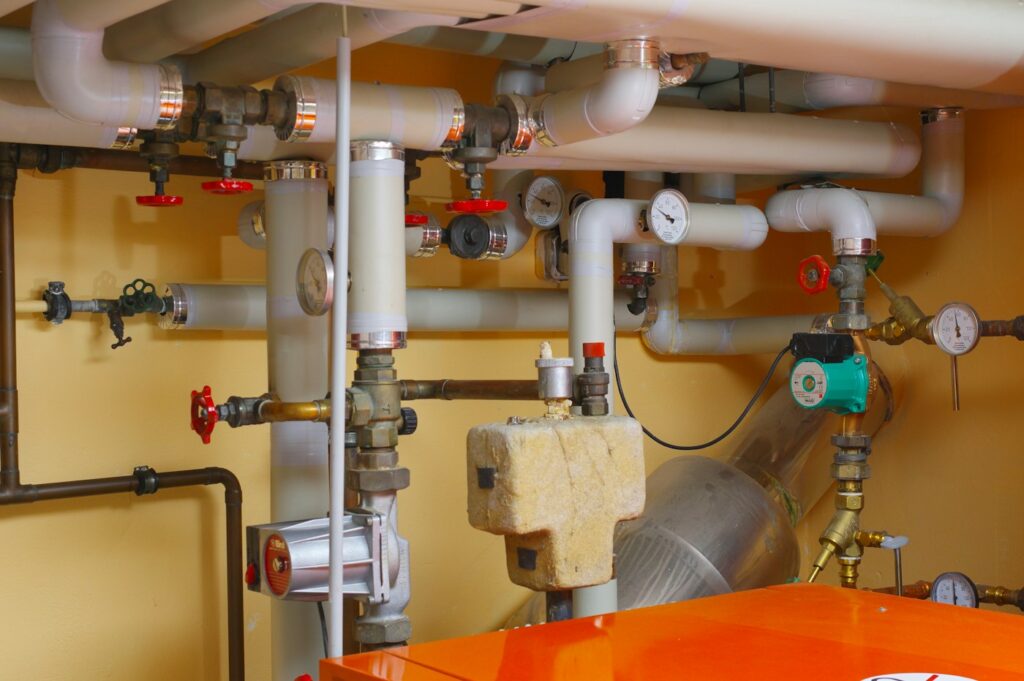
Water near the heater may come from a pipe or fitting nearby rather than the tank, and repairing a leaking pipe or valve may solve it. Water heaters are just one part of the plumbing systems we work on in local homes.
We also work with households in Lake Success, North New Hyde Park, Manhasset Hills, Garden City Park, Stewart Manor, and Floral Park.
Phone (833) 603-1840 Monday to Friday between 9:00 a.m. and 9:00 p.m., or submit a request online. Tell us where the heater is installed and whether it is gas or electric.
Questions
A steady leak from the tank should be handled promptly. Close the cold water supply valve above the heater if you can reach it safely, and call.
Sediment buildup, a failing component, or a heater too small for current use can all shorten the hot water supply.
A sulfur-like odor in hot water only can come from a reaction inside the tank. It is usually not dangerous but should be checked.
It is a safety device that opens if temperature or pressure gets too high. If it is releasing water or dripping, have the heater checked.
An electric heater does not produce carbon monoxide, but other fuel-burning appliances might. CO alarms are a good idea in any home with them.
Many homeowners ask us about whether tankless fits an older home. We also put together a short guide on rusty or brown hot water.