- 833-603-1840
- info@jprplumbingnewton.com
- Mon - Fri: 9:00 - 21:00

Floral Park, NY
Water heaters tend to give hints before they quit: showers that turn lukewarm sooner, a popping sound from the basement, or a little rust in the hot water. JPR Plumbing repairs water heaters in Floral Park homes and helps you plan a replacement when a heater has reached the end of its working life.
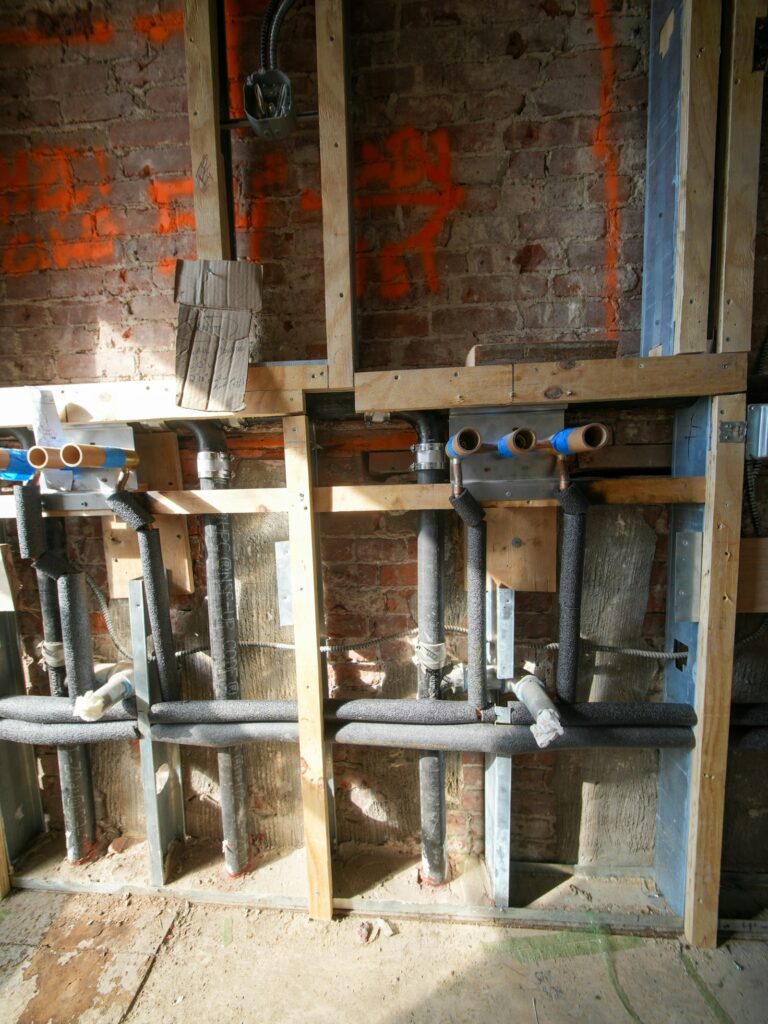
A storage water heater is a tank that heats and holds water until you need it. Over the years, minerals settle at the bottom, internal parts wear, and the tank itself slowly corrodes. Most of the warning signs come from one of those three processes.
Some problems, such as a failed thermostat, element, or valve, can be repaired. Others, especially a leak from the body of the tank, usually mean the heater needs to be replaced. A plumber can tell you which situation you are in before anything is decided.
Paying attention to how the heater behaves over a few weeks, such as how quickly hot water runs out, gives the plumber useful clues.
Safety first: a gas odor near the heater means getting out of the house and calling the gas utility from outside. If the tank is leaking, keep away from electrical connections in the wet area, and leave gas controls, wiring, and the relief valve to a professional.
Warning signs
The first row lists signs to watch for, the second explains common causes, and the third shows how a plumber can help.
Hot water that runs out faster than it used to can mean sediment buildup or a failing part.
Noises from the tank often come from sediment at the bottom heating and shifting.
Discolored water from hot taps only can point to corrosion inside the tank.
Minerals in the water settle in the tank, taking up space and reducing efficiency.
Thermostats, elements, and valves wear out over years of use.
Older tanks are more likely to develop leaks that cannot be repaired.
The plumber checks controls, connections, and the tank to find out what has failed.
Failed parts or leaking connections can often be replaced without changing the heater.
If the tank is worn out, you get a clear explanation of the options.
Floral Park homes
Replacing a water heater can involve permits, and in Floral Park larger plumbing jobs may need village approval. Check with Village Hall before replacement work begins so the right forms and inspections are in place.
The U.S. Department of Energy’s water heating page says water heating accounts for about 18 percent of home energy use, typically the second-largest energy expense in a home.
If your heater is old and showing signs of wear, planning a replacement before it fails can spare you a cold-water emergency. The manufacture date on the label tells you roughly how old it is.
Leave space around the heater free of stored items, so leaks are easy to spot and a gas unit has the clearance it needs.
The choice depends on the heater’s age, what has failed, and whether the tank itself is leaking. A failed part on a heater in good condition is usually worth repairing. A leaking tank, or one near the end of its service life, is usually better replaced. Fuel type, tank size, and how much hot water the household uses all factor into the replacement options.
Related services
Water near the heater does not always come from the tank. If the source is a nearby pipe or fitting, stopping a leaking connection may be all that is needed. You can also read about other plumbing services for the home in Floral Park.
The same service is available in Elmont, Garden City, New Hyde Park, Stewart Manor, South Floral Park, and Bellerose Village.
Phone (833) 603-1840 between 9:00 a.m. and 9:00 p.m. on weekdays, or request a visit online. Tell us the heater’s fuel type, its approximate age, and what you are noticing.
Questions
Service life varies with the type of heater, water quality, and maintenance. Check the label for the manufacture date, and watch for warning signs as it ages.
It is usually a sign of corrosion rather than an immediate hazard, but it means the tank or piping should be checked.
The temperature and pressure relief valve can release water if pressure or temperature gets too high, or if the valve is failing. Have it checked rather than adjusting it yourself.
Flushing can remove sediment, and many manufacturers recommend it. If the drain valve is old or the tank has never been flushed, leave it for a plumber.
Check whether every hot tap is affected or just one. If it is all of them, note whether the heater is gas or electric and whether there is water around it, then call. Leave the controls and wiring alone.
Two questions come up often for this kind of job: one is about hot water that runs out too soon, and another is about the job of the relief valve.